Recurrent Elbow Instability
What Is Recurrent Elbow Instability?
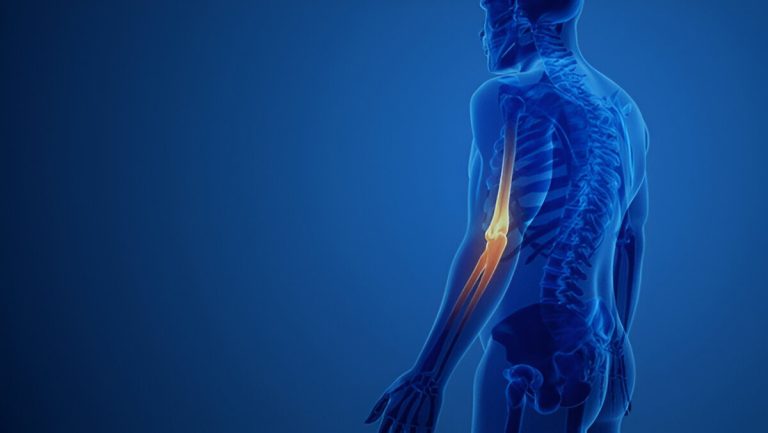
Recurrent elbow instability occurs when the elbow joint repeatedly feels loose, gives way, or partially dislocates (subluxes). This condition typically results from one or more ligament injuries that have not healed properly, leading to compromised joint stability. While a single dislocation may heal without surgery, repeated dislocations or subluxations often cause ongoing mechanical problems, especially during pushing, weight-bearing, or throwing movements.
Instability can affect different parts of the elbow and may be classified as:
Posterolateral rotatory instability (PLRI) – the most common form
Valgus instability – often related to UCL injury
Varus posteromedial rotatory instability
Causes and Risk Factors
Previous elbow dislocation or fracture
Ligament injuries (particularly lateral collateral ligament complex)
Repetitive overuse from throwing sports
Congenital ligament laxity (generalized hypermobility)
Post-surgical complications
Poor healing from prior trauma
Symptoms
A sensation that the elbow may “give out” during pushing or rotating
Clicking, locking, or catching with movement
Pain during weight-bearing through the arm, especially with the elbow in extension
Recurrent subluxation or dislocation episodes
Weakness or reduced athletic performance
Difficulty performing activities such as push-ups or getting up from a chair using the arms
Diagnosis
Detailed clinical exam including stability tests (pivot shift test, varus/valgus stress tests)
X-rays to rule out fractures or bone alignment issues
MRI or MR arthrogram to evaluate ligament damage and joint capsule laxity
CT scan may be used to detect subtle bone deformities or malalignment
Treatment
Non-Surgical Treatment
May be attempted in mild cases or in patients with minimal functional limitations:
Activity modification to avoid aggravating movements
Strengthening exercises focused on dynamic stabilizers (e.g., forearm and shoulder muscles)
Bracing for sport or activity-specific protection
Physical therapy to improve neuromuscular control
Surgical Treatment
Recommended when symptoms persist or interfere with daily or athletic activities
Ligament reconstruction (commonly LCL repair or UCL repair depending on the instability pattern)
May involve graft tissue to restore normal tension and function
Correction of any associated bone deformities or joint malalignment
Post-surgical bracing and gradual rehabilitation are critical to a full recovery
Recovery Outlook
Postoperative recovery typically involves 6 to 8 weeks of immobilization followed by progressive motion
Full return to sports or high-demand use usually occurs between 4 to 6 months
Early surgical repair has a high success rate, especially when combined with structured rehab
Why Kerlan Jobe Institute?
The elbow specialists at Kerlan Jobe Institute are experts in diagnosing and treating complex elbow instability. Using advanced imaging and reconstructive techniques, we aim to restore normal elbow function, prevent recurrence, and help patients safely return to sport or physical activity.