Recovery Guidelines After Cartilage Surgery
Setting Expectations for Cartilage Surgery Recovery
Recovery from cartilage restoration surgery is a highly structured and progressive process that plays a critical role in the long-term success of the procedure. Unlike routine orthopedic procedures, cartilage surgeries often require strict post-operative protocols, carefully managed weight-bearing, and consistent physical therapy.
At Kerlan Jobe Institute, we tailor recovery programs to the specific procedure performed and to each patient’s unique anatomy, lifestyle, and goals—whether returning to sports or regaining pain-free mobility.
Book A Consultation
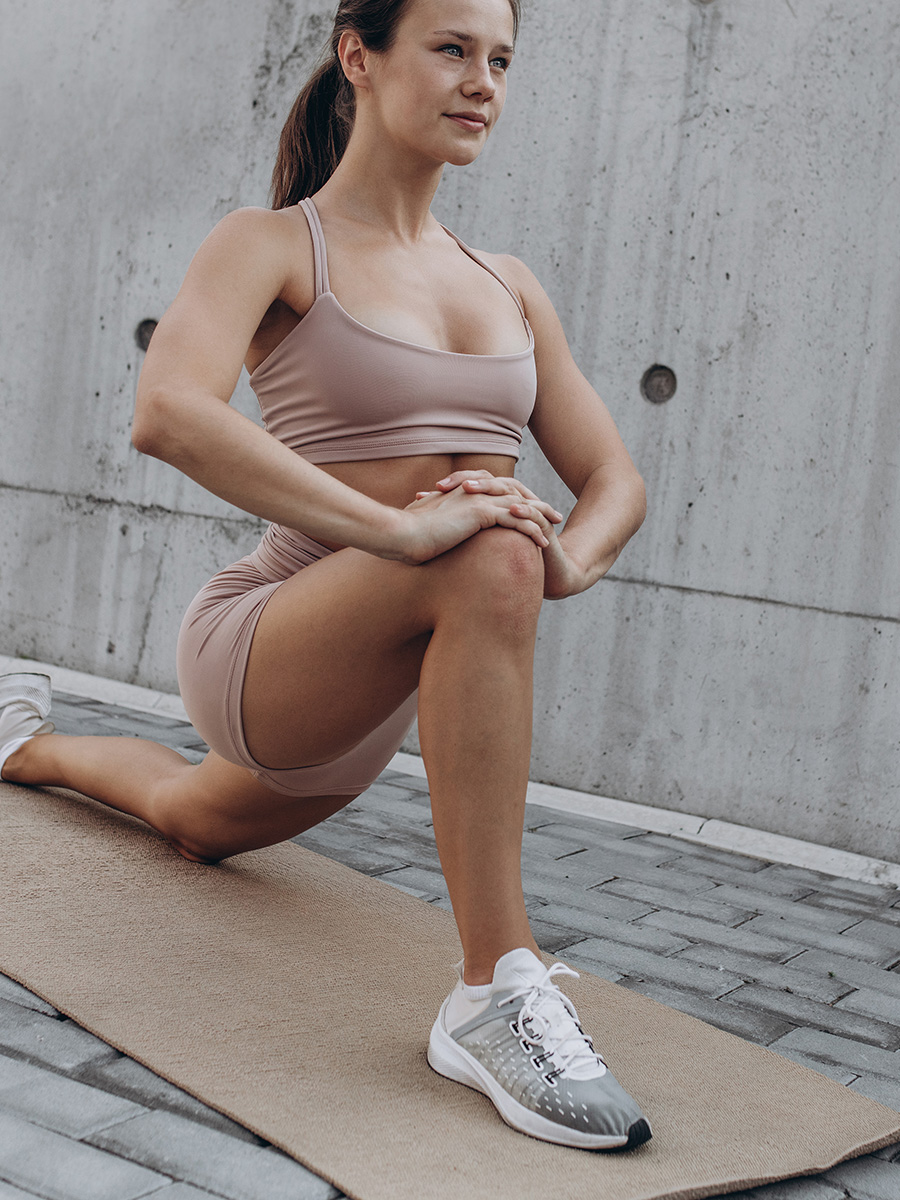
Phase 1: Protection & Early Motion (Weeks 0–6)
Goals:
- Protect the healing cartilage site
- Control pain and swelling
- Initiate gentle range-of-motion exercises
Typical Guidelines:
- Weight-bearing:
- Non-weight-bearing with crutches (often 4–6 weeks)
- Some procedures allow partial weight-bearing earlier
- Bracing: May be required to limit knee flexion or rotation
- Range of Motion:
- Continuous Passive Motion (CPM) machines often prescribed
- Passive stretching and mobility guided by a physical therapist
- Medications:
- Pain control and anti-inflammatory support
- Blood clot prevention (aspirin or anticoagulants)
Phase 2: Controlled Loading & Strengthening (Weeks 6–12)
Goals:
- Gradually increase weight-bearing
- Begin closed-chain strengthening exercises
- Regain normal walking pattern
Typical Guidelines:
- Weight-bearing: Progress from partial to full as tolerated
- Physical therapy:
- Focus on quads, glutes, hamstrings
- Balance and core control
-
Cardio:
- Low-impact options (e.g., stationary bike, pool therapy)
Phase 3: Functional Training & Conditioning (Months 3–6)
Goals:
- Normalize strength and endurance
- Re-establish joint mechanics and functional movement
- Improve neuromuscular control
Typical Guidelines:
- Agility drills (if returning to sports)
- Proprioception and stability exercises
- Sport-specific movements under supervision
- MRI or clinical check to assess healing progress
Phase 4: Return to Sport or High-Demand Activity (Months 6–12+)
Goals:
- Full return to high-impact activity, only if cartilage is stable and functional
- Continue to protect the joint with proper mechanics and strength
Typical Timeline by Procedure:
- Microfracture: Return to light activity in 4–6 months; full sports in 6–9 months
- OAT/OCA: 6–9 months for most sports; 12 months for high-impact return
- ACI: Often 9–12 months or more, depending on lesion size and location
Clearance is based on functional tests, imaging, and your surgeon’s judgment—not just time.
Overview of Cartilage Restoration Procedures
Depending on the location, size, and type of cartilage damage, one or more of the following techniques may be recommended:
1. Microfracture
What it is: A minimally invasive procedure where small holes are made in the bone beneath the cartilage defect to stimulate the release of bone marrow cells, which form a clot that turns into fibrocartilage.
Best for:
- Smaller lesions (usually <2 cm²)
- Younger patients
- Low-demand athletes or early-stage defects
Pros: Simple, fast, no donor tissue required
Limitations: Fibrocartilage is not as durable as native hyaline cartilage and may deteriorate over time
2. Osteochondral Autograft Transplantation (OAT)
What it is: Cylindrical plugs of healthy cartilage and bone are harvested from non-weight-bearing areas of the patient’s own knee and transferred into the damaged area.
Best for:
- Medium-sized defects (1–2 cm²)
- Localized damage on femoral condyles
- High-demand, active patients
Pros: Uses the patient’s own tissue; provides structural support
Limitations: Limited donor sites; may not be suitable for larger lesions
3. Osteochondral Allograft Transplantation (OCA)
What it is: A similar technique to OAT, but the cartilage and bone graft come from a donor (cadaver).
Best for:
- Large cartilage defects (>2 cm²)
- Revision surgeries or defects involving underlying bone loss
Pros: Restores normal anatomy; treats large or complex defects
Limitations: Limited donor tissue availability; higher surgical complexity
4. Autologous Chondrocyte Implantation (ACI)
What it is: A two-stage procedure where cartilage cells are harvested from the patient, grown in a lab for several weeks, then reimplanted into the defect under a biologic patch or membrane.
Best for:
- Large defects in younger patients
- Cases where simpler techniques have failed
Pros: Regenerates durable hyaline-like cartilage
Limitations: Requires two surgeries; longer recovery; more expensive
5. Particulate Juvenile Cartilage Allograft (DeNovo Graft)
What it is: Uses minced cartilage from young donor tissue, implanted into the defect and secured with biological glue.
Best for:
- Moderate-sized lesions
- Patients not suited for autograft or ACI
Pros: Single-stage procedure; off-the-shelf availability
Limitations: Still being studied for long-term durability
What Impacts Recovery Time?
Several factors can influence how quickly (and successfully) a patient recovers:
- Size and location of the cartilage defect
- Type of surgery performed
- Patient age and overall joint health
- Joint alignment, stability, and meniscal integrity
- Adherence to rehab protocols
- Smoking, weight, and general health status
Long-Term Joint Protection Tips
Even after full recovery, protecting the restored cartilage is important:
- Maintain a healthy weight to reduce joint stress
- Avoid high-impact sports unless cleared by your surgeon
- Keep surrounding muscles strong with regular exercise
- Wear proper footwear and avoid uneven terrain
- Return for periodic orthopedic checkups
Support Every Step of the Way
At Kerlan Jobe Institute, our commitment to your outcome doesn’t stop after surgery. Our team provides:
- Direct collaboration with physical therapists
- Customized rehabilitation plans
- Return-to-play evaluations
- Ongoing education for patients and their families
We believe that a successful recovery is a team effort—and we’re with you from the operating room to your return to full activity.
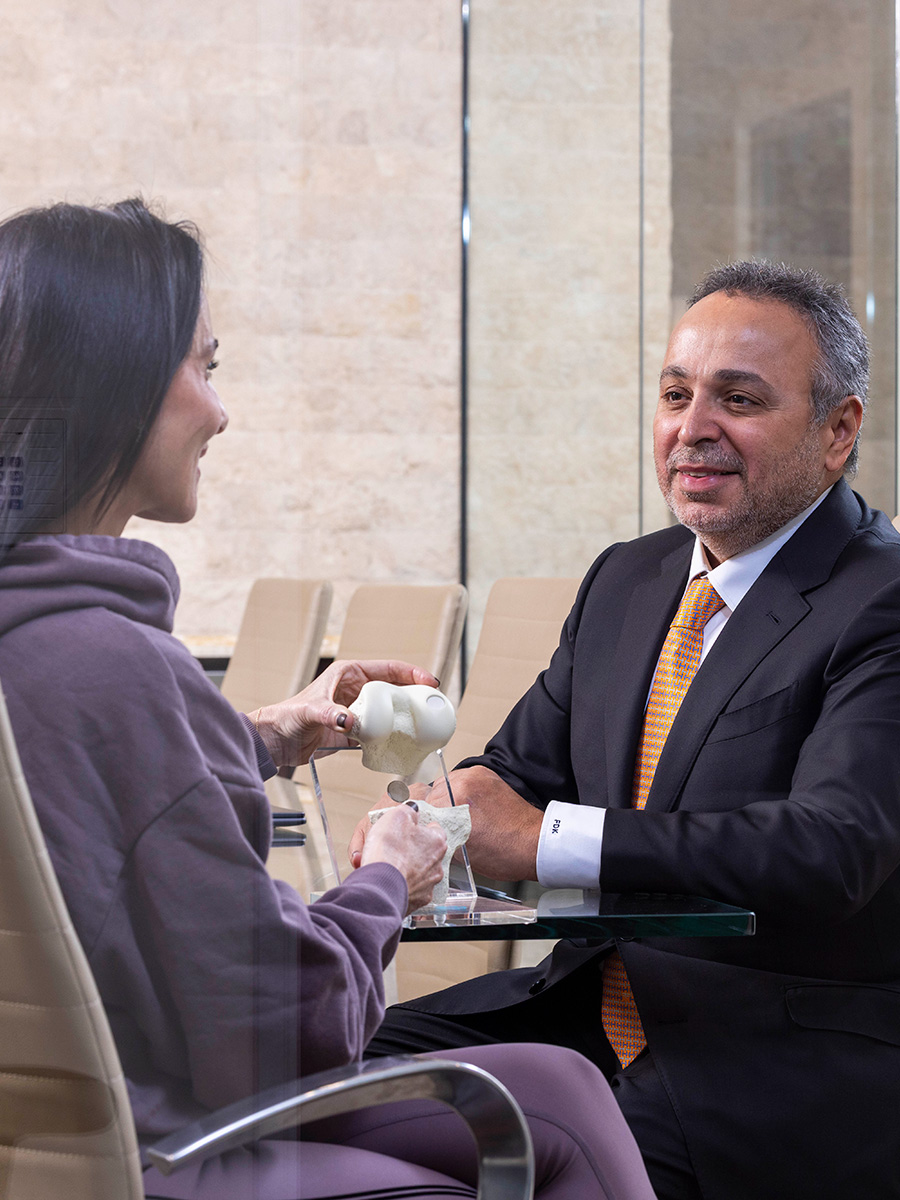
Getting You Back in Motion
Surgery is just the beginning. How do you heal, move, and feel when all is said and done?
From NHL and NBA players to weekend warriors, our goal is the same: getting you back to doing what you love.

Patient Testimonials
highly skilled surgeon
“Dr. Kvitne operated on my shoulder 3 years ago and I had a perfect recovery and no problems since and I do not see a scar. He is kind with a great bedside manor and a highly skilled surgeon.”
Dr. Kharrazi truly got me back on my feet—literally.
One year ago, I tore several ligaments in my knee, and now I’m able to do the things I enjoy again.
His expertise, knowledge, and confidence are what made me choose him as my surgeon, and I will always be grateful to him and his entire team. Rudy, his assistant; Norma, who was always so prompt with all of my emails; and Blanca, who helped with forms—each of them made a difference. I can’t thank them enough for being there with me every step of the way.
I can’t say enough good things about Dr. Kvitne
“My experience with Dr Kvitne was amazing he is a outstanding Doctor what a talented man he is my knee was in such bad shape he did not have much to work with but he got in there and fixed me up there was so much that had to be repaired Dr Kvitne with his knowledge and experience repaired my knee so nicely done I have had knee surgery before but never like this I can’t say enough good things about Dr Kvitne awesome human being as well as a awesome excellent Doctor!!”
Dr. Kharrazi gave me my mobility back
After 2 knee surgeries with other Orthopedics I must say that Dr. Kharrazi is a miracle worker. I have my mobility back and my pain level is so greatly improved. Thanks Dr. K!
Schedule a Consultation
Kerlan-Jobe provides comprehensive orthopaedic care for patients seeking expert treatment for sports injuries, joint pain, and mobility limitations. We offers specialized experience and a patient-first approach designed to support lasting results.
Contact the office to schedule a consultation and learn more about your treatment options.