Ulnar Collateral Ligament (UCL) Tear
What Is the UCL?
The ulnar collateral ligament (UCL) is a key stabilizing ligament on the inner (medial) side of the elbow. It connects the humerus (upper arm bone) to the ulna (inner forearm bone) and helps resist valgus stress — a force that pushes the forearm away from the body. This ligament is especially vital in overhead throwing sports like baseball, javelin, and softball, where high stress is repeatedly placed on the inner elbow.
Book A Consultation
What Is a UCL Tear?
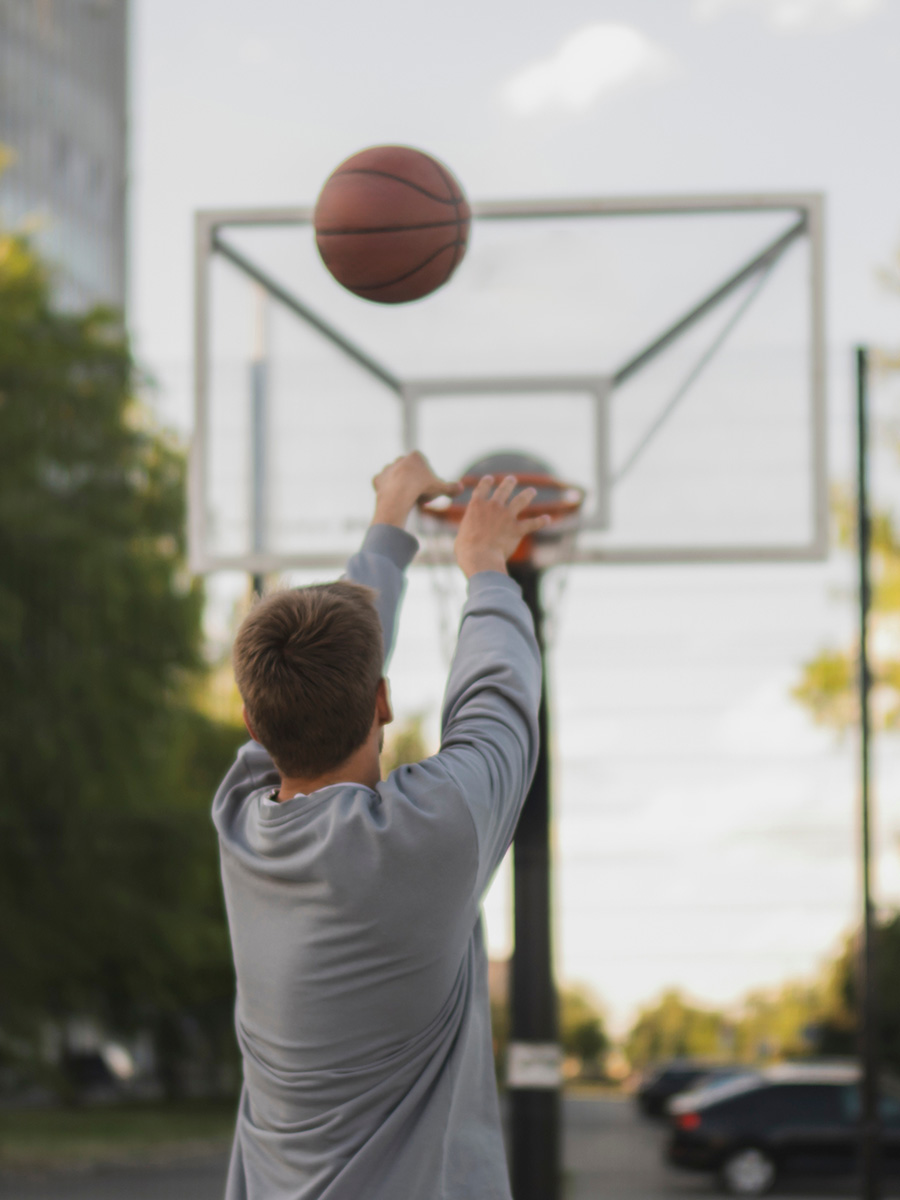
A UCL tear occurs when the ligament is stretched or torn due to repetitive stress or a traumatic injury. In athletes, this is typically caused by the repetitive acceleration and deceleration phases of throwing, which strain the ligament over time. UCL tears range from minor sprains to complete ruptures, and may occur suddenly (acute) or gradually (chronic).
Causes and Risk Factors
- Repetitive overhead throwing (pitching, javelin)
- Poor throwing mechanics
- Inadequate warm-up or muscle imbalance
- Sudden increase in throwing workload or velocity
- Previous elbow injuries
Symptoms of a UCL Tear
- Pain on the inner side of the elbow, especially during or after throwing
- A popping sensation at the moment of injury (in acute tears)
- Loss of velocity or accuracy in throws
- Swelling and tenderness along the inner elbow
- Elbow instability or looseness during motion
- Inability to continue throwing
Treatment Options
Non-Surgical (Conservative) Treatment
Recommended for partial tears or non-athletes:
- Rest and activity modification
- Ice and anti-inflammatory medication
- Physical therapy focusing on forearm, shoulder, and core strength
- Biomechanical correction (throwing technique)
- PRP (platelet-rich plasma) injections in some cases
Surgical Treatment – Tommy John Surgery
For complete tears or high-level athletes:
- UCL reconstruction using a tendon graft (often from the forearm or hamstring)
- Performed with small incisions and sometimes assisted by internal bracing
- Rehabilitation begins shortly after surgery
Recovery Timeline
Non-surgical rehab:
3–6 months depending on severity
Tommy John surgery:
Return to throwing: 4–6 months
Return to full competition: 9–12 months, sometimes longer
Return to Sport
The majority of athletes who undergo UCL reconstruction can return to their previous level of play — often with improved performance — when rehabilitation protocols are followed precisely.
UCL Expertise at Kerlan Jobe Institute
The specialists at Kerlan Jobe Institute are pioneers in the diagnosis, treatment, and surgical reconstruction of UCL injuries. Whether you’re an elite pitcher or a weekend athlete, our team delivers customized treatment plans that prioritize both recovery and long-term elbow health.
Getting You Back in Motion
Surgery is just the beginning. How do you heal, move, and feel when all is said and done?
From NHL and NBA players to weekend warriors, our goal is the same: getting you back to doing what you love.
Patient Testimonials
highly skilled surgeon
“Dr. Kvitne operated on my shoulder 3 years ago and I had a perfect recovery and no problems since and I do not see a scar. He is kind with a great bedside manor and a highly skilled surgeon.”
Dr. Kharrazi truly got me back on my feet—literally.
One year ago, I tore several ligaments in my knee, and now I’m able to do the things I enjoy again.
His expertise, knowledge, and confidence are what made me choose him as my surgeon, and I will always be grateful to him and his entire team. Rudy, his assistant; Norma, who was always so prompt with all of my emails; and Blanca, who helped with forms—each of them made a difference. I can’t thank them enough for being there with me every step of the way.
I can’t say enough good things about Dr. Kvitne
“My experience with Dr Kvitne was amazing he is a outstanding Doctor what a talented man he is my knee was in such bad shape he did not have much to work with but he got in there and fixed me up there was so much that had to be repaired Dr Kvitne with his knowledge and experience repaired my knee so nicely done I have had knee surgery before but never like this I can’t say enough good things about Dr Kvitne awesome human being as well as a awesome excellent Doctor!!”
Dr. Kharrazi gave me my mobility back
After 2 knee surgeries with other Orthopedics I must say that Dr. Kharrazi is a miracle worker. I have my mobility back and my pain level is so greatly improved. Thanks Dr. K!
Schedule a Consultation
Kerlan-Jobe provides comprehensive orthopaedic care for patients seeking expert treatment for sports injuries, joint pain, and mobility limitations. We offers specialized experience and a patient-first approach designed to support lasting results.
Contact the office to schedule a consultation and learn more about your treatment options.