
Cervical Fractures
What Is a Cervical Fracture?
Neck Vertebrae Breaks Caused by Trauma or Sudden Impact. A cervical fracture refers to a break in one of the seven vertebrae (C1–C7) that make up the cervical spine in the neck. These fractures range from minor cracks to life-threatening injuries that may involve the spinal cord. Often caused by high-impact trauma, cervical fractures require immediate medical evaluation to prevent neurological damage.
Book A Consultation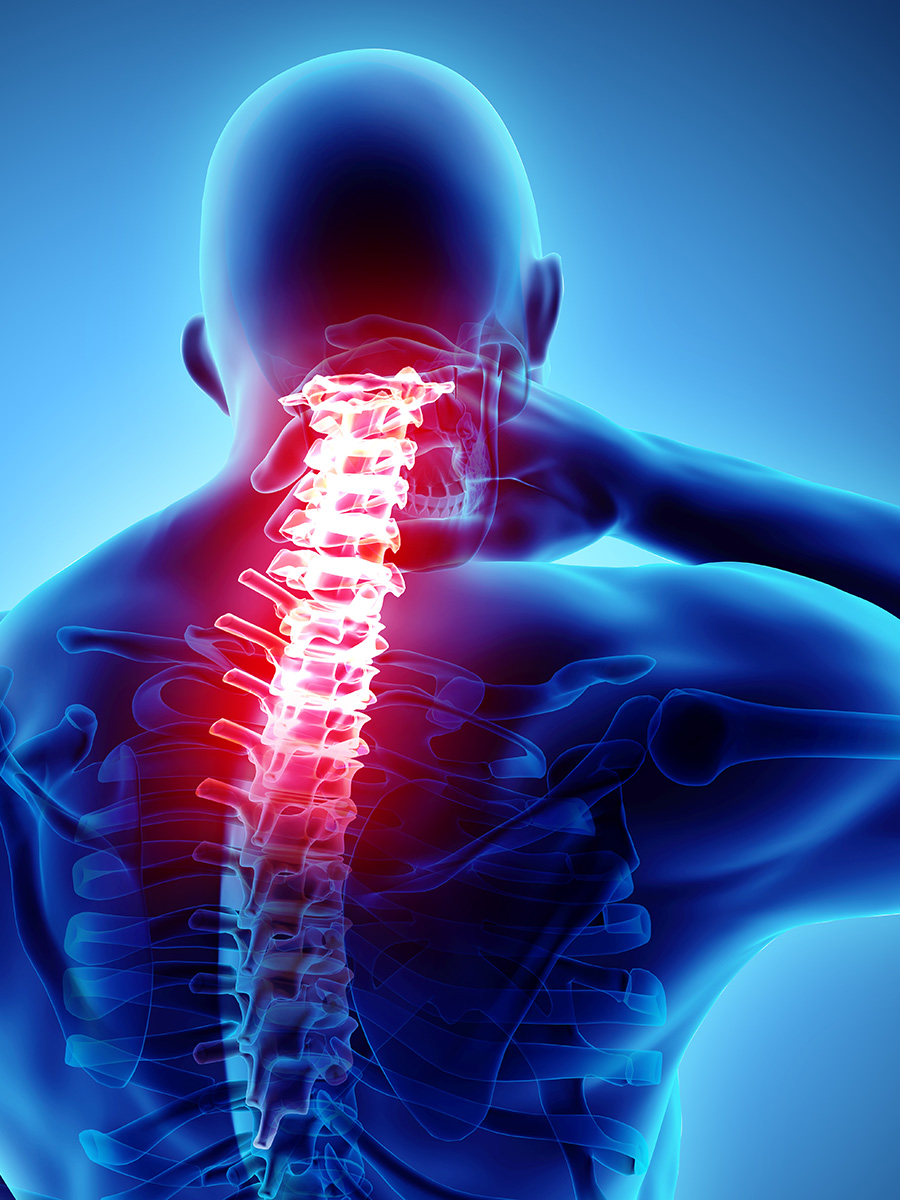

Causes and Risk Factors
- Motor vehicle accidents (especially high-speed collisions)
- Falls from significant heights
- Diving into shallow water
- Sports injuries (football, rugby, gymnastics)
- Osteoporosis or weakened bones (increased risk with low bone density)
- Advanced age or previous spine conditions
Symptoms
- Severe neck pain following trauma
- Swelling and tenderness around the neck
- Restricted neck movement or muscle spasms
- Neurological signs: numbness, tingling, or weakness in arms or legs
- Difficulty breathing or swallowing (in severe cases)
- Loss of bowel or bladder control (if spinal cord involvement occurs)
- Deformity or visible misalignment of the neck (in severe injuries)
Diagnosis
- Immediate immobilization of the cervical spine to prevent further injury
- X-rays: Initial imaging to detect fractures or dislocations
- CT scan: Detailed evaluation of bony structures and fracture severity
- MRI: Assess for soft tissue damage, spinal cord compression, or disc injury
- Neurological exam to assess spinal cord function
Treatment
Non-Surgical Treatment
- Used for stable fractures without spinal cord involvement
- Cervical collar or hard brace to immobilize the neck
- Pain management with medications
- Physical therapy begins once bone healing is underway
- Periodic imaging to monitor healing
Surgical Treatment
- Required for unstable fractures or those involving spinal cord compression
- Procedures may include spinal fusion, decompression, or internal fixation with screws and plates
- Aimed at restoring spinal alignment and preventing neurological damage
- Postoperative rehabilitation is critical for recovery
Recovery Timeline
Healing for minor, stable fractures: 6–8 weeks with bracing
Surgery may require 3–6 months for full recovery, depending on injury severity
Rehabilitation includes gradual return of motion, strength, and mobility
Close follow-up with spine specialists ensures proper healing and prevents long-term complications
Expert Treatment at Kerlan Jobe Institute
Kerlan Jobe Institute provides advanced care for cervical spine fractures. Our orthopedic spine surgeons specialize in trauma-related injuries and offer both non-surgical and surgical solutions. With a focus on minimizing spinal cord risk and restoring function, we guide patients from injury through full recovery with expert attention.
Getting You Back in Motion
Surgery is just the beginning. How do you heal, move, and feel when all is said and done?
From NHL and NBA players to weekend warriors, our goal is the same: getting you back to doing what you love.

Patient Testimonials
highly skilled surgeon
“Dr. Kvitne operated on my shoulder 3 years ago and I had a perfect recovery and no problems since and I do not see a scar. He is kind with a great bedside manor and a highly skilled surgeon.”
Dr. Kharrazi truly got me back on my feet—literally.
One year ago, I tore several ligaments in my knee, and now I’m able to do the things I enjoy again.
His expertise, knowledge, and confidence are what made me choose him as my surgeon, and I will always be grateful to him and his entire team. Rudy, his assistant; Norma, who was always so prompt with all of my emails; and Blanca, who helped with forms—each of them made a difference. I can’t thank them enough for being there with me every step of the way.
I can’t say enough good things about Dr. Kvitne
“My experience with Dr Kvitne was amazing he is a outstanding Doctor what a talented man he is my knee was in such bad shape he did not have much to work with but he got in there and fixed me up there was so much that had to be repaired Dr Kvitne with his knowledge and experience repaired my knee so nicely done I have had knee surgery before but never like this I can’t say enough good things about Dr Kvitne awesome human being as well as a awesome excellent Doctor!!”
Dr. Kharrazi gave me my mobility back
After 2 knee surgeries with other Orthopedics I must say that Dr. Kharrazi is a miracle worker. I have my mobility back and my pain level is so greatly improved. Thanks Dr. K!
Schedule a Consultation
Kerlan-Jobe provides comprehensive orthopaedic care for patients seeking expert treatment for sports injuries, joint pain, and mobility limitations. We offers specialized experience and a patient-first approach designed to support lasting results.
Contact the office to schedule a consultation and learn more about your treatment options.