
Lumbar Fractures
What Is a Lumbar Fracture?
Vertebral Breaks or Cracks in the Lower Back. A lumbar fracture refers to a break in one of the vertebrae (spinal bones) in the lower back. These injuries can range from mild compression fractures to more severe burst fractures and are often the result of trauma, osteoporosis, or underlying spinal conditions. Depending on severity, they can lead to significant pain, spinal instability, or nerve damage.
Book A Consultation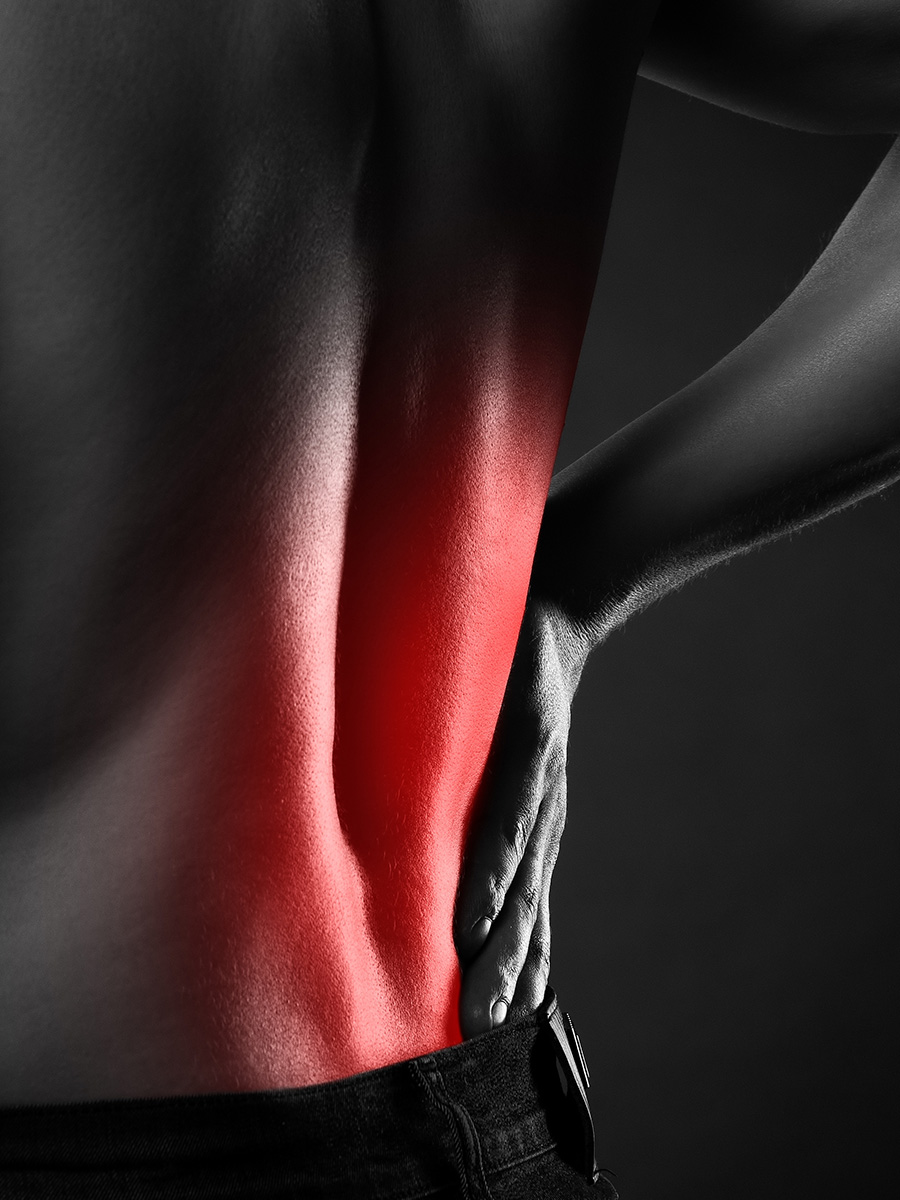

Causes and Risk Factors
- High-impact trauma (e.g., car accidents, falls from height)
- Osteoporosis (weakened bones prone to compression fractures)
- Repetitive stress injuries (common in athletes and laborers)
- Spinal tumors or infections that weaken the bone
- Advanced age and postmenopausal status (especially in women)
Symptoms
- Sudden, sharp pain in the lower back
- Pain that worsens with standing, walking, or movement
- Loss of height or visible curvature of the spine (kyphosis)
- Difficulty standing upright or performing daily tasks
- In severe cases: numbness, tingling, or weakness in the legs (signs of spinal cord or nerve involvement)
Diagnosis
- Physical examination and review of symptoms
- Neurologic assessment to evaluate for nerve involvement
- Imaging:
- X-ray to confirm bone injury
- CT scan to assess the extent of the fracture
- MRI if soft tissue, nerve, or spinal cord injury is suspected
Treatment
Non-Surgical Treatment
- Common for stable fractures, especially compression fractures without nerve damage
- Pain management with NSAIDs or short-term opioids
- Back bracing to support the spine while healing
- Gradual return to activity with physical therapy
- Calcium and vitamin D supplementation (if osteoporosis is present)
Surgical Treatment
- Recommended for unstable or severe fractures
- Surgical options may include:
- Kyphoplasty or vertebroplasty: Minimally invasive procedures that use bone cement to stabilize compression fractures
- Spinal fusion: Stabilizes the spine using rods and screws if the vertebrae are significantly displaced or if the spinal cord is at risk
- Decompression surgery: To relieve pressure on spinal nerves if neurological symptoms are present
Recovery Timeline
Stable fractures may heal in 6–12 weeks with conservative care
Bracing is often worn for 8–12 weeks
Surgical patients may need several months for full recovery and rehabilitation
Return to normal activity depends on bone healing, neurological status, and physical therapy progression
Expert Treatment at Kerlan Jobe Institute
The spine specialists at Kerlan Jobe Institute are highly experienced in managing lumbar fractures of all types — from common osteoporotic compression fractures to complex trauma-related injuries. With a multidisciplinary approach, we tailor each treatment plan to ensure safe healing and optimal recovery.
Getting You Back in Motion
Surgery is just the beginning. How do you heal, move, and feel when all is said and done?
From NHL and NBA players to weekend warriors, our goal is the same: getting you back to doing what you love.

Patient Testimonials
highly skilled surgeon
“Dr. Kvitne operated on my shoulder 3 years ago and I had a perfect recovery and no problems since and I do not see a scar. He is kind with a great bedside manor and a highly skilled surgeon.”
Dr. Kharrazi truly got me back on my feet—literally.
One year ago, I tore several ligaments in my knee, and now I’m able to do the things I enjoy again.
His expertise, knowledge, and confidence are what made me choose him as my surgeon, and I will always be grateful to him and his entire team. Rudy, his assistant; Norma, who was always so prompt with all of my emails; and Blanca, who helped with forms—each of them made a difference. I can’t thank them enough for being there with me every step of the way.
I can’t say enough good things about Dr. Kvitne
“My experience with Dr Kvitne was amazing he is a outstanding Doctor what a talented man he is my knee was in such bad shape he did not have much to work with but he got in there and fixed me up there was so much that had to be repaired Dr Kvitne with his knowledge and experience repaired my knee so nicely done I have had knee surgery before but never like this I can’t say enough good things about Dr Kvitne awesome human being as well as a awesome excellent Doctor!!”
Dr. Kharrazi gave me my mobility back
After 2 knee surgeries with other Orthopedics I must say that Dr. Kharrazi is a miracle worker. I have my mobility back and my pain level is so greatly improved. Thanks Dr. K!
Schedule a Consultation
Kerlan-Jobe provides comprehensive orthopaedic care for patients seeking expert treatment for sports injuries, joint pain, and mobility limitations. We offers specialized experience and a patient-first approach designed to support lasting results.
Contact the office to schedule a consultation and learn more about your treatment options.