
Labral Tears (Bankart and SLAP Lesions)
What Is a Labral Tear?
The labrum is a ring of cartilage that surrounds the rim of the glenoid (shoulder socket). It deepens the socket and provides stability to the ball-and-socket joint of the shoulder. When this cartilage is torn, either through trauma or repetitive stress, it can lead to pain, instability, or reduced function of the shoulder.
There are two major types of shoulder labral tears:
- Bankart lesion: A tear of the anterior-inferior labrum, commonly associated with shoulder dislocations
- SLAP lesion (Superior Labrum Anterior to Posterior): A tear at the top of the labrum where the biceps tendon attaches
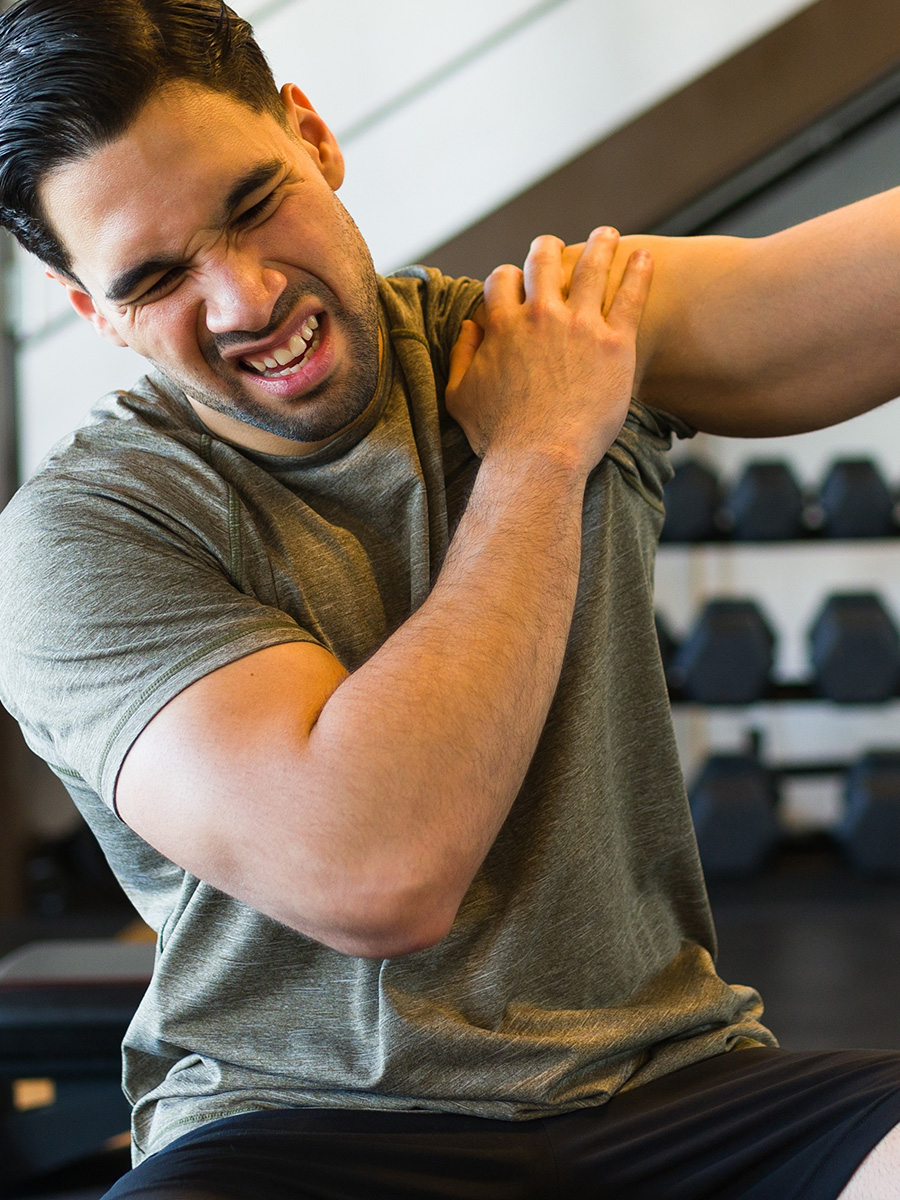

Causes and Risk Factors
- Shoulder dislocations or subluxations (partial dislocations)
- Overhead sports (baseball, tennis, volleyball, swimming)
- Repetitive shoulder motions (throwing or lifting)
- Direct trauma or fall onto an outstretched arm
- Age-related degeneration or chronic instability
Symptoms
- Deep, aching shoulder pain
- Clicking, catching, or popping sensations with movement
- Weakness or instability during overhead activities
- Decreased range of motion
- Pain with lifting, throwing, or pushing motions
- In SLAP tears, pain may localize near the biceps tendon
Diagnosis
- Physical examination for instability or labral-specific signs (e.g., O’Brien’s test, crank test)
- MRI with contrast (MR arthrogram) is the most accurate imaging tool for labral injuries
- X-rays to rule out associated bone abnormalities
- Arthroscopic evaluation may be necessary for definitive diagnosis
Treatment
Non-Surgical Treatment
- Rest and activity modification (avoid overhead activities)
- NSAIDs for pain and inflammation
- Physical therapy to strengthen rotator cuff and scapular stabilizers
- Often effective in partial or degenerative tears, or non-athletes
Surgical Treatment
- Indicated for:
- Failed conservative management
- Symptomatic Bankart or SLAP lesions in active patients
- Shoulder instability or recurrent dislocations
- Arthroscopic labral repair:
- Bankart tears: reattachment of the labrum to the glenoid
- SLAP tears: repair or biceps tenodesis (depending on age/activity)
- Rehabilitation focuses on restoring strength, range of motion, and dynamic shoulder stability
Recovery Outlook
Non-surgical recovery:
6–12 weeks with guided rehab
Post-surgical recovery:
Sling for 3–4 weeks
Physical therapy begins shortly after surgery
Return to full activity typically by 4 to 6 months
Overhead athletes may require longer to regain peak performance
Why Kerlan Jobe Institute?
At Kerlan Jobe Institute, our specialists utilize advanced arthroscopic techniques to diagnose and repair labral injuries with precision. We tailor each treatment plan to the patient’s sport, activity level, and long-term goals—ensuring optimal shoulder function and stability.
Getting You Back in Motion
Surgery is just the beginning. How do you heal, move, and feel when all is said and done?
From NHL and NBA players to weekend warriors, our goal is the same: getting you back to doing what you love.
Patient Testimonials
highly skilled surgeon
“Dr. Kvitne operated on my shoulder 3 years ago and I had a perfect recovery and no problems since and I do not see a scar. He is kind with a great bedside manor and a highly skilled surgeon.”
Dr. Kharrazi truly got me back on my feet—literally.
One year ago, I tore several ligaments in my knee, and now I’m able to do the things I enjoy again.
His expertise, knowledge, and confidence are what made me choose him as my surgeon, and I will always be grateful to him and his entire team. Rudy, his assistant; Norma, who was always so prompt with all of my emails; and Blanca, who helped with forms—each of them made a difference. I can’t thank them enough for being there with me every step of the way.
I can’t say enough good things about Dr. Kvitne
“My experience with Dr Kvitne was amazing he is a outstanding Doctor what a talented man he is my knee was in such bad shape he did not have much to work with but he got in there and fixed me up there was so much that had to be repaired Dr Kvitne with his knowledge and experience repaired my knee so nicely done I have had knee surgery before but never like this I can’t say enough good things about Dr Kvitne awesome human being as well as a awesome excellent Doctor!!”
Dr. Kharrazi gave me my mobility back
After 2 knee surgeries with other Orthopedics I must say that Dr. Kharrazi is a miracle worker. I have my mobility back and my pain level is so greatly improved. Thanks Dr. K!
Schedule a Consultation
Kerlan-Jobe provides comprehensive orthopaedic care for patients seeking expert treatment for sports injuries, joint pain, and mobility limitations. We offers specialized experience and a patient-first approach designed to support lasting results.
Contact the office to schedule a consultation and learn more about your treatment options.