
MCL Injuries
What Is the MCL?
The Medial Collateral Ligament (MCL) is one of the four main stabilizing ligaments of the knee joint. Running along the inner side of the knee, it connects the femur (thigh bone) to the tibia (shin bone). Unlike the ACL and PCL, which are located deep within the joint, the MCL is extra-articular—meaning it sits outside the knee capsule.
The MCL plays a vital role in resisting valgus stress, which is the inward collapse of the knee. It also helps prevent excessive rotation and contributes to overall joint stability during walking, running, and pivoting.
Book A Consultation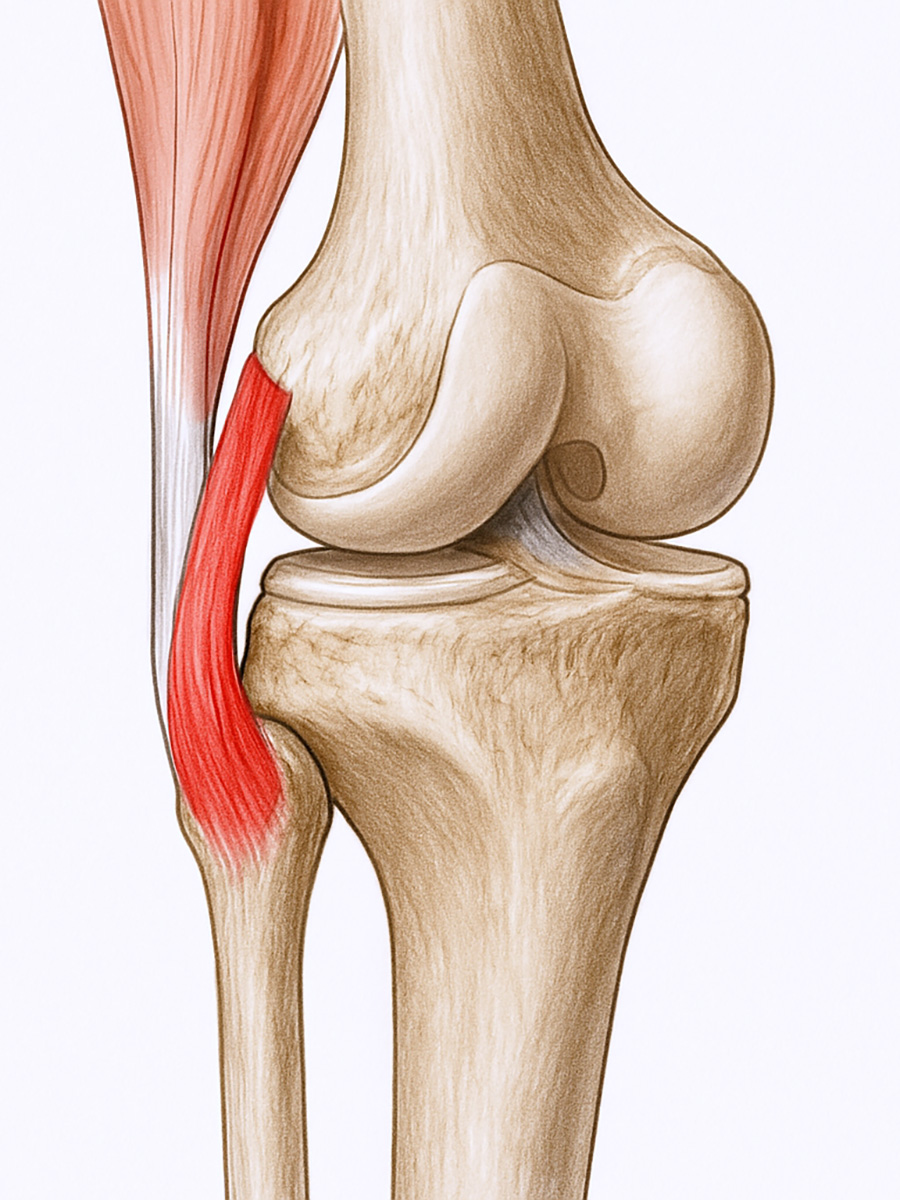

How Do MCL Injuries Happen?
MCL injuries most commonly occur when a force is applied to the outer side of the knee, pushing it inward. This can happen in:
- Contact sports like football, soccer, and rugby
- Skiing or snowboarding accidents
- Falls or awkward landings
- Sudden changes in direction or twisting movements
In some cases, MCL injuries occur without direct contact, particularly during rapid deceleration or when the knee buckles under body weight.
Symptoms of an MCL Injury
Patients with MCL injuries often experience:
- Pain and tenderness along the inner side of the knee
- Swelling near the medial joint line
- A sense of looseness or instability, especially during side-to-side movement
- Bruising that may appear a few days after injury
- Limited range of motion, particularly with full extension or flexion
- A “pop” at the time of injury (less common than in ACL injuries)
Symptoms vary depending on the severity of the tear.
Grading MCL Injuries
MCL injuries are typically classified into three grades:
- Grade 1 (Mild): The ligament is overstretched but intact. Pain is minimal, and there’s no major instability.
- Grade 2 (Moderate): Partial tear of the ligament. Pain and swelling are more pronounced, and some instability may be present.
- Grade 3 (Severe): Complete rupture of the MCL. The knee may feel unstable, especially during weight-bearing or side-to-side movements. Often occurs in combination with injuries to the ACL or meniscus.
Diagnosis of MCL Injuries
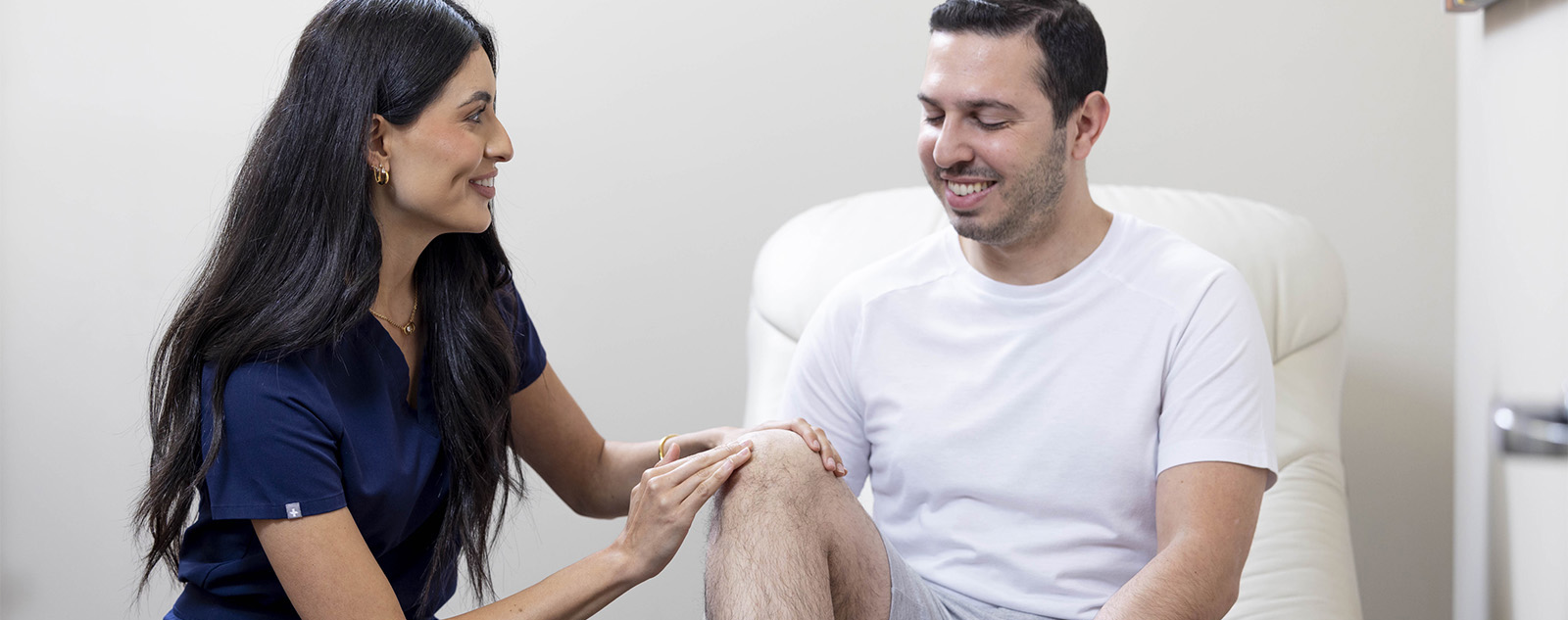
Palpation along the inner knee for tenderness
• Valgus stress testing at different knee angles to assess laxity
• Gait and functional movement assessment
To confirm the diagnosis and rule out other associated injuries, we may also recommend:
• MRI: To evaluate the extent of the tear and check for damage to surrounding ligaments or cartilage
• X-rays: To rule out bone fractures or alignment issues
Treatment Options for MCL Injuries
Most isolated MCL injuries—especially Grades 1 and 2—can be treated without surgery.
Non-Surgical Management
- Rest & activity modification
- Knee bracing to support the ligament during healing
- Ice and anti-inflammatory medication
- Physical therapy to restore motion, rebuild strength, and prevent future injury
- Crutches (in moderate-to-severe injuries) to reduce stress on the ligament during the first few weeks
Recovery time varies:
- Grade 1: ~1–2 weeks
- Grade 2: ~3–6 weeks
- Grade 3: ~6–10+ weeks (longer if combined with other ligament injuries)
Surgical Intervention
Surgery is rare for isolated MCL injuries but may be considered when:
- The MCL is completely torn and the knee is highly unstable
- Multiple ligaments are damaged (e.g., ACL + MCL)
- The ligament is avulsed (pulled off the bone)
- Conservative care has failed to restore function
Surgical repair may involve suturing or reattaching the torn ligament, or in chronic cases, ligament reconstruction using graft tissue.
Rehabilitation and Return to Activity
Rehab after an MCL injury focuses on:
Reducing inflammation and pain
Gradual restoration of motion and strength
Neuromuscular re-education for joint stability
Sport-specific drills in later phases
Most athletes with isolated MCL injuries can return to full activity within 6–10 weeks, depending on the grade of injury and rehab progress. When surgery is needed, recovery may extend to 4–6 months, especially in multi-ligament cases.
Why Choose Kerlan Jobe Institute?
At Kerlan Jobe Institute, our orthopedic knee specialists have extensive experience treating athletes and active individuals with all types of MCL injuries.
Whether your injury requires bracing, structured rehabilitation, or surgical repair, we provide personalized, evidence-based care to help you recover quickly and safely return to the activities you love.
Getting You Back in Motion
Surgery is just the beginning. How do you heal, move, and feel when all is said and done?
From NHL and NBA players to weekend warriors, our goal is the same: getting you back to doing what you love.

Patient Testimonials
highly skilled surgeon
“Dr. Kvitne operated on my shoulder 3 years ago and I had a perfect recovery and no problems since and I do not see a scar. He is kind with a great bedside manor and a highly skilled surgeon.”
Dr. Kharrazi truly got me back on my feet—literally.
One year ago, I tore several ligaments in my knee, and now I’m able to do the things I enjoy again.
His expertise, knowledge, and confidence are what made me choose him as my surgeon, and I will always be grateful to him and his entire team. Rudy, his assistant; Norma, who was always so prompt with all of my emails; and Blanca, who helped with forms—each of them made a difference. I can’t thank them enough for being there with me every step of the way.
I can’t say enough good things about Dr. Kvitne
“My experience with Dr Kvitne was amazing he is a outstanding Doctor what a talented man he is my knee was in such bad shape he did not have much to work with but he got in there and fixed me up there was so much that had to be repaired Dr Kvitne with his knowledge and experience repaired my knee so nicely done I have had knee surgery before but never like this I can’t say enough good things about Dr Kvitne awesome human being as well as a awesome excellent Doctor!!”
Dr. Kharrazi gave me my mobility back
After 2 knee surgeries with other Orthopedics I must say that Dr. Kharrazi is a miracle worker. I have my mobility back and my pain level is so greatly improved. Thanks Dr. K!
Schedule a Consultation
Kerlan-Jobe provides comprehensive orthopaedic care for patients seeking expert treatment for sports injuries, joint pain, and mobility limitations. We offers specialized experience and a patient-first approach designed to support lasting results.
Contact the office to schedule a consultation and learn more about your treatment options.