Meniscal Deficiency
What Is Meniscal Deficiency?
Meniscal deficiency refers to a condition where part—or all—of the meniscus has been lost, removed, or is no longer functioning properly. This can result from previous partial or total meniscectomy, repeated meniscus injuries, or degenerative changes over time.
When the meniscus is no longer present to absorb shock and distribute load evenly across the knee joint, the result is increased stress on the cartilage, leading to pain, swelling, and early joint degeneration.
Book A Consultation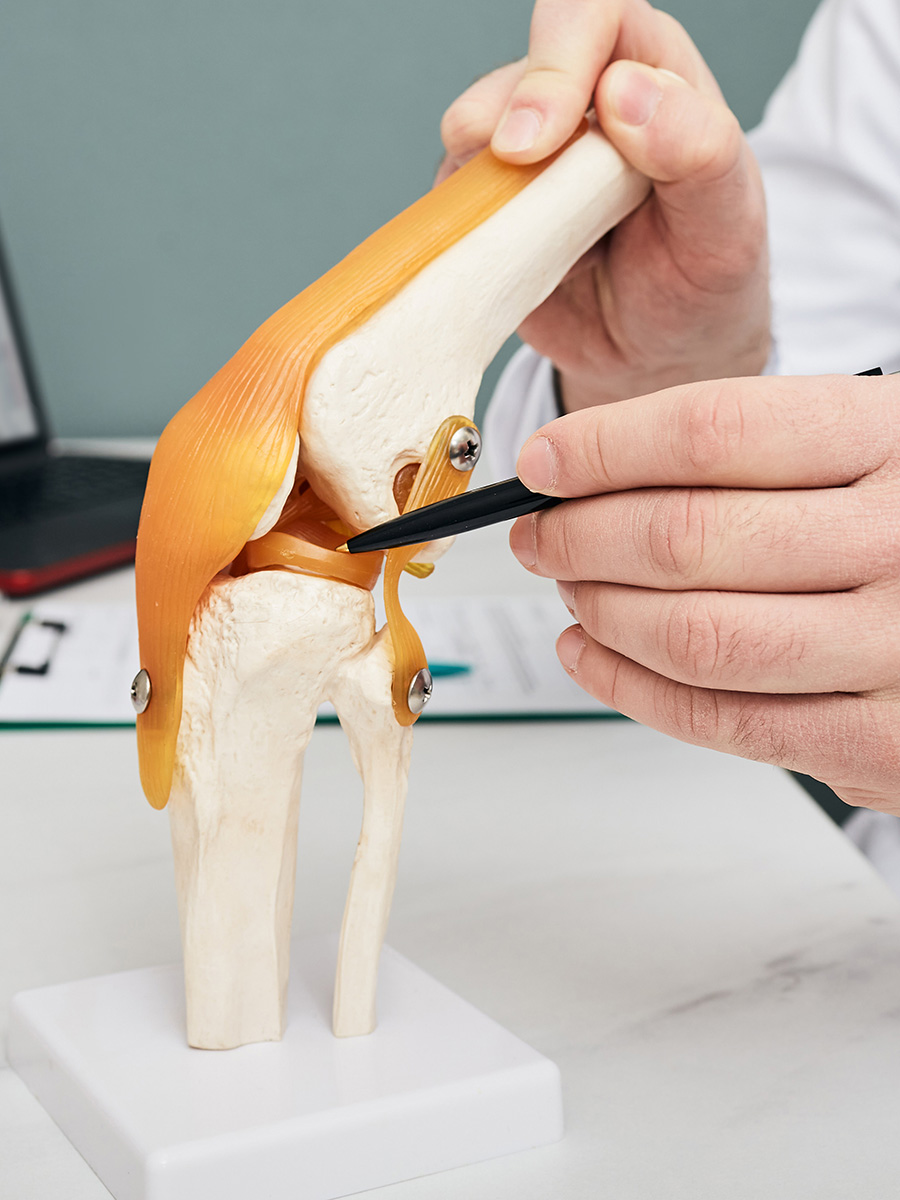

Causes of Meniscal Deficiency
- Prior meniscectomy surgery (especially large or total removal)
- Chronic complex meniscus tears that become non-functional
- Recurrent injuries that degrade the tissue over time
- Congenital absence or underdevelopment (rare)
Why It Matters
The meniscus is crucial in:
- Shock absorption
- Joint stability
- Preventing cartilage wear
When meniscus tissue is deficient, patients may experience:
- Persistent or recurrent knee pain
- Swelling after activity
- A grinding or catching sensation
- Limited ability to participate in sports or high-impact activities
- Early development of arthritis
Diagnosing Meniscal Deficiency
At Kerlan Jobe Institute, diagnosis begins with:
- Detailed patient history
- Physical examination to assess joint line tenderness, swelling, and range of motion
- High-resolution MRI to evaluate meniscus status, cartilage condition, and underlying alignment issues
- Weight-bearing X-rays to assess joint space and early arthritis
Treatment Options for Meniscal Deficiency
Treatment depends on the severity of symptoms, age, activity level, and the condition of surrounding cartilage.
Non-Surgical Treatment
- Activity modification
- Anti-inflammatory medications
- Physical therapy to strengthen supporting muscles
- Use of a brace or unloading orthotic
- Injections: Corticosteroids or biologic options like PRP or hyaluronic acid
These approaches may reduce symptoms but do not restore meniscus function.
Surgical Options
1. Meniscus Transplantation
- A donor meniscus is implanted to replace the missing tissue.
- Best for younger patients with painful meniscus deficiency but minimal arthritis.
- Requires intact joint alignment, stable ligaments, and healthy cartilage.
- Performed arthroscopically using precise sizing and graft positioning.
2. Osteotomy (Alignment Surgery)
- Realigns the bones of the knee (femur or tibia) to offload pressure from the damaged area.
- Often combined with meniscus transplant or cartilage restoration procedures.
3. Cartilage Restoration Procedures
- May be used if meniscal deficiency has caused significant cartilage wear.
- Options include microfracture, OATS (osteochondral grafts), or autologous chondrocyte implantation (ACI).
Who Is a Candidate for Meniscus Transplantation?
Ideal candidates are:
Younger than 50
Missing most or all of their meniscus
Experiencing persistent joint pain
Still active and wish to preserve the joint
Have minimal arthritis and good alignment
Our Meniscus Preservation Philosophy
At Kerlan Jobe Institute, we aim to preserve and protect the meniscus whenever possible. When meniscal deficiency occurs, we use advanced imaging, surgical expertise, and a personalized approach to restore function and delay the onset of arthritis.
Getting You Back in Motion
Surgery is just the beginning. How do you heal, move, and feel when all is said and done?
From NHL and NBA players to weekend warriors, our goal is the same: getting you back to doing what you love.

Patient Testimonials
highly skilled surgeon
“Dr. Kvitne operated on my shoulder 3 years ago and I had a perfect recovery and no problems since and I do not see a scar. He is kind with a great bedside manor and a highly skilled surgeon.”
Dr. Kharrazi truly got me back on my feet—literally.
One year ago, I tore several ligaments in my knee, and now I’m able to do the things I enjoy again.
His expertise, knowledge, and confidence are what made me choose him as my surgeon, and I will always be grateful to him and his entire team. Rudy, his assistant; Norma, who was always so prompt with all of my emails; and Blanca, who helped with forms—each of them made a difference. I can’t thank them enough for being there with me every step of the way.
I can’t say enough good things about Dr. Kvitne
“My experience with Dr Kvitne was amazing he is a outstanding Doctor what a talented man he is my knee was in such bad shape he did not have much to work with but he got in there and fixed me up there was so much that had to be repaired Dr Kvitne with his knowledge and experience repaired my knee so nicely done I have had knee surgery before but never like this I can’t say enough good things about Dr Kvitne awesome human being as well as a awesome excellent Doctor!!”
Dr. Kharrazi gave me my mobility back
After 2 knee surgeries with other Orthopedics I must say that Dr. Kharrazi is a miracle worker. I have my mobility back and my pain level is so greatly improved. Thanks Dr. K!
Schedule a Consultation
Kerlan-Jobe provides comprehensive orthopaedic care for patients seeking expert treatment for sports injuries, joint pain, and mobility limitations. We offers specialized experience and a patient-first approach designed to support lasting results.
Contact the office to schedule a consultation and learn more about your treatment options.