Cartilage Restoration & Transplantation Options
The Goal of Cartilage Restoration
Cartilage restoration refers to a set of surgical techniques aimed at repairing, regenerating, or replacing damaged articular cartilage in the knee. Unlike ligaments or tendons, articular cartilage does not regenerate well on its own due to its lack of blood supply. Therefore, when injury or degeneration occurs—especially in focal or isolated areas—specialized procedures may be needed to preserve joint health and delay or prevent arthritis.
At Kerlan Jobe Institute, we specialize in cutting-edge cartilage restoration procedures tailored to each patient’s unique anatomy, activity level, and long-term goals.
Book A Consultation

Who Is a Candidate for Cartilage Restoration?
Cartilage restoration is often appropriate for patients who:
- Have focal (isolated) cartilage defects rather than widespread arthritis
- Are younger or middle-aged adults (often under 50), especially athletes
- Experience persistent knee pain, swelling, or mechanical symptoms
- Have failed conservative treatments like injections or physical therapy
- Show good joint alignment and healthy surrounding tissue
Ideal candidates do not have advanced bone-on-bone osteoarthritis.
Overview of Cartilage Restoration Procedures
Depending on the location, size, and type of cartilage damage, one or more of the following techniques may be recommended:
1. Microfracture
What it is: A minimally invasive procedure where small holes are made in the bone beneath the cartilage defect to stimulate the release of bone marrow cells, which form a clot that turns into fibrocartilage.
Best for:
- Smaller lesions (usually <2 cm²)
- Younger patients
- Low-demand athletes or early-stage defects
Pros: Simple, fast, no donor tissue required
Limitations: Fibrocartilage is not as durable as native hyaline cartilage and may deteriorate over time
2. Osteochondral Autograft Transplantation (OAT)
What it is: Cylindrical plugs of healthy cartilage and bone are harvested from non-weight-bearing areas of the patient’s own knee and transferred into the damaged area.
Best for:
- Medium-sized defects (1–2 cm²)
- Localized damage on femoral condyles
- High-demand, active patients
Pros: Uses the patient’s own tissue; provides structural support
Limitations: Limited donor sites; may not be suitable for larger lesions
3. Osteochondral Allograft Transplantation (OCA)
What it is: A similar technique to OAT, but the cartilage and bone graft come from a donor (cadaver).
Best for:
- Large cartilage defects (>2 cm²)
- Revision surgeries or defects involving underlying bone loss
Pros: Restores normal anatomy; treats large or complex defects
Limitations: Limited donor tissue availability; higher surgical complexity
4. Autologous Chondrocyte Implantation (ACI)
What it is: A two-stage procedure where cartilage cells are harvested from the patient, grown in a lab for several weeks, then reimplanted into the defect under a biologic patch or membrane.
Best for:
- Large defects in younger patients
- Cases where simpler techniques have failed
Pros: Regenerates durable hyaline-like cartilage
Limitations: Requires two surgeries; longer recovery; more expensive
5. Particulate Juvenile Cartilage Allograft (DeNovo Graft)
What it is: Uses minced cartilage from young donor tissue, implanted into the defect and secured with biological glue.
Best for:
- Moderate-sized lesions
- Patients not suited for autograft or ACI
Pros: Single-stage procedure; off-the-shelf availability
Limitations: Still being studied for long-term durability

Complementary Procedures
To improve outcomes, cartilage restoration is sometimes combined with:
- Osteotomy: To correct malalignment and offload the damaged area
- Meniscal Transplantation: If the meniscus is deficient and no longer protecting the cartilage
- Ligament reconstruction: To restore joint stability and reduce abnormal wear
Recovery After Cartilage Restoration
Recovery depends on the specific procedure but generally involves:
- A period of non-weight-bearing on crutches (2–8 weeks)
- Physical therapy beginning early to maintain motion
- Progressive strengthening and return to activity over 4–9 months
- MRI or X-ray follow-up to assess healing and graft incorporation
Return to high-impact sports may take 9–12 months, depending on the treatment and individual progress.
Why Choose Kerlan Jobe Institute?
Kerlan Jobe Institute is a national leader in cartilage restoration.
Our orthopedic team combines decades of surgical experience with advanced regenerative medicine techniques. We use patient-specific planning, high-resolution imaging, and biologic enhancements to offer the best possible outcomes for cartilage preservation and joint longevity.
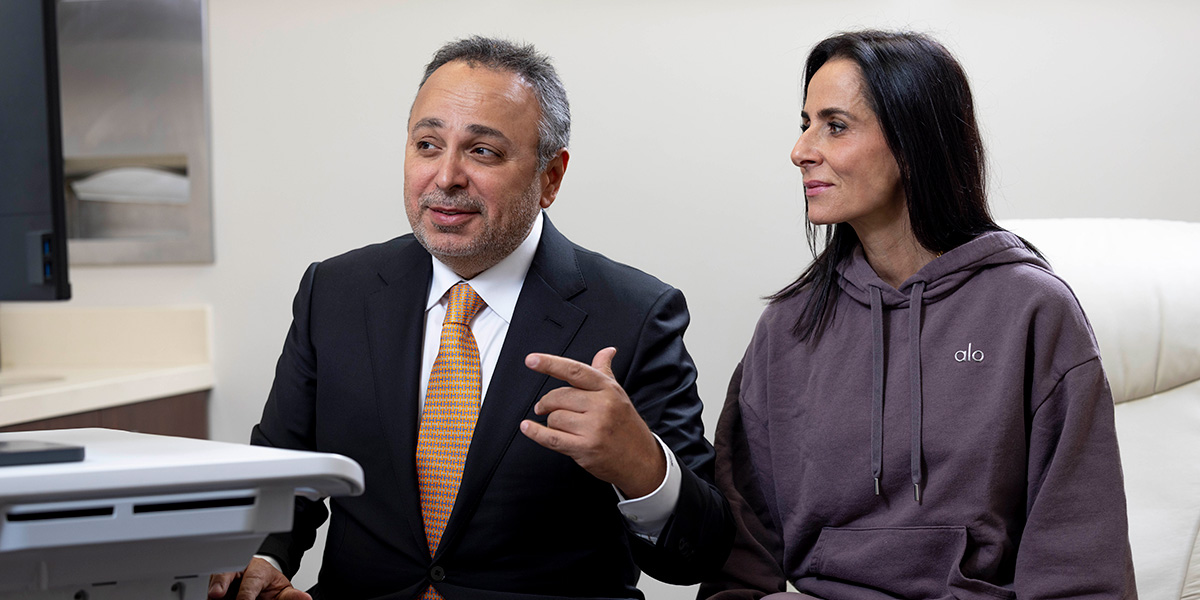
Getting You Back in Motion
Surgery is just the beginning. How do you heal, move, and feel when all is said and done?
From NHL and NBA players to weekend warriors, our goal is the same: getting you back to doing what you love.

Patient Testimonials
highly skilled surgeon
“Dr. Kvitne operated on my shoulder 3 years ago and I had a perfect recovery and no problems since and I do not see a scar. He is kind with a great bedside manor and a highly skilled surgeon.”
Dr. Kharrazi truly got me back on my feet—literally.
One year ago, I tore several ligaments in my knee, and now I’m able to do the things I enjoy again.
His expertise, knowledge, and confidence are what made me choose him as my surgeon, and I will always be grateful to him and his entire team. Rudy, his assistant; Norma, who was always so prompt with all of my emails; and Blanca, who helped with forms—each of them made a difference. I can’t thank them enough for being there with me every step of the way.
I can’t say enough good things about Dr. Kvitne
“My experience with Dr Kvitne was amazing he is a outstanding Doctor what a talented man he is my knee was in such bad shape he did not have much to work with but he got in there and fixed me up there was so much that had to be repaired Dr Kvitne with his knowledge and experience repaired my knee so nicely done I have had knee surgery before but never like this I can’t say enough good things about Dr Kvitne awesome human being as well as a awesome excellent Doctor!!”
Dr. Kharrazi gave me my mobility back
After 2 knee surgeries with other Orthopedics I must say that Dr. Kharrazi is a miracle worker. I have my mobility back and my pain level is so greatly improved. Thanks Dr. K!
Schedule a Consultation
Kerlan-Jobe provides comprehensive orthopaedic care for patients seeking expert treatment for sports injuries, joint pain, and mobility limitations. We offers specialized experience and a patient-first approach designed to support lasting results.
Contact the office to schedule a consultation and learn more about your treatment options.