
Meniscus Tear
Understanding the Role of the Meniscus
The meniscus is a C-shaped piece of fibrocartilage found in each knee. There are two in each joint:
- Medial meniscus: Located on the inner side
- Lateral meniscus: Located on the outer side
Together, they act as the knee’s shock absorbers, distributing weight and reducing stress on the joint surfaces. The menisci also contribute to joint stability, protect the articular cartilage, and aid in proper movement mechanics.
When the meniscus is torn—whether due to injury or wear—it can lead to pain, swelling, locking, and eventual joint degeneration if not properly treated.
Book A Consultation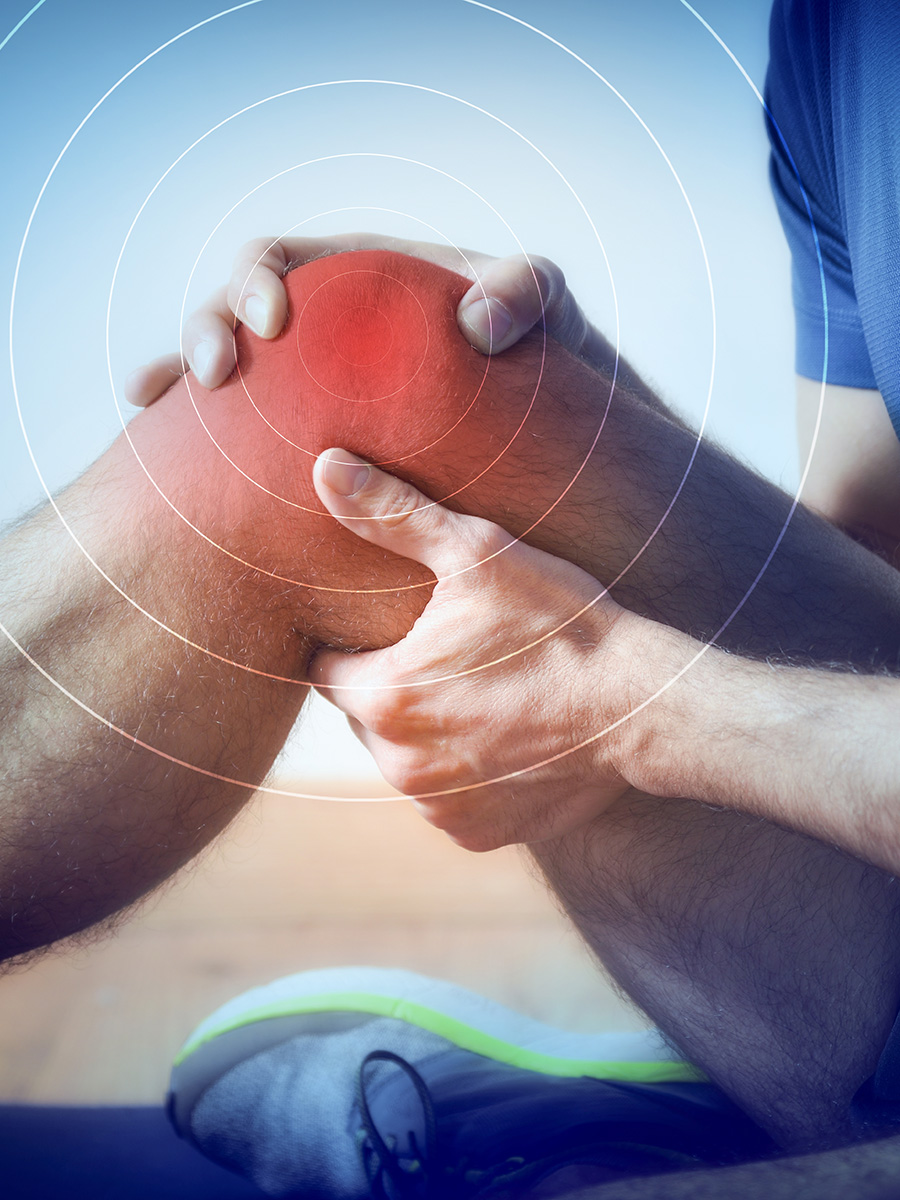
What Causes a Meniscus Tear?
Meniscus tears can result from both acute trauma and degenerative wear:
- Acute injuries: Often occur during twisting, pivoting, or sudden stops—common in sports like football, soccer, basketball, and skiing.
- Degenerative tears: Seen in older adults or those with osteoarthritis; result from gradual cartilage breakdown over time.
Even simple movements like standing up from a chair or kneeling can cause a tear in a weakened meniscus.
Symptoms of a Meniscus Tear
Signs and symptoms can vary depending on the tear’s location, size, and type. Common symptoms include:
- Pain along the joint line (inner or outer side)
- Swelling or stiffness, often within hours or days of injury
- Catching or locking of the knee
- A sensation that the knee is “stuck” or won’t fully straighten
- Instability or buckling, especially during walking or pivoting
- Limited range of motion
In athletes, a meniscus tear often prevents continued play due to discomfort or mechanical symptoms.
How Is a Meniscus Tear Diagnosed?
At Kerlan Jobe Institute, we perform a thorough evaluation, including:
- Physical examination: Joint line tenderness, McMurray’s test, and range-of-motion assessment
-
Imaging:
- MRI: The gold standard for visualizing meniscal tears and associated ligament or cartilage injuries
- X-rays: Used to rule out fractures or signs of arthritis
Early diagnosis is critical to preserve as much meniscal function as possible and prevent long-term joint damage.
Treatment Options
The approach to treatment depends on several factors:
- • Tear type and location
- • Patient age and activity level
- • Whether the tear is repairable or irreparable
Non-Surgical Treatment
For small, stable tears or degenerative tears:
- Rest, Ice, Compression, Elevation (RICE)
- Anti-inflammatory medications
- Physical therapy
- Activity modification
Surgical Treatment
If symptoms persist or the tear is causing mechanical problems, surgery may be recommended. Options include:
- Meniscus Repair: Suturing the tear to allow healing; preferred in younger patients and tears in the outer third (where blood supply is better)
- Partial Meniscectomy: Trimming and removing damaged tissue when repair isn’t possible
- Meniscus Transplantation: Reserved for patients with prior meniscectomy and persistent joint pain
At Kerlan Jobe Institute, our orthopedic knee specialists strive to preserve the meniscus whenever possible to maintain long-term joint health.
Recovery and Prognosis
Recovery times vary:
Non-surgical rehab:
4–6 weeks for symptom resolution
Meniscus repair:
3–6 months for full recovery
Meniscectomy:
4–6 weeks for return to activity
Our team develops customized rehabilitation plans based on your procedure, sport, and goals.
Why Kerlan Jobe Institute?
We provide expert evaluation and treatment for all types of meniscal injuries—from first-time tears to complex re-tears and post-meniscectomy problems. Our approach prioritizes joint preservation, minimally invasive techniques, and comprehensive recovery programs tailored to your lifestyle.
Getting You Back in Motion
Surgery is just the beginning. How do you heal, move, and feel when all is said and done?
From NHL and NBA players to weekend warriors, our goal is the same: getting you back to doing what you love.

Patient Testimonials
highly skilled surgeon
“Dr. Kvitne operated on my shoulder 3 years ago and I had a perfect recovery and no problems since and I do not see a scar. He is kind with a great bedside manor and a highly skilled surgeon.”
Dr. Kharrazi truly got me back on my feet—literally.
One year ago, I tore several ligaments in my knee, and now I’m able to do the things I enjoy again.
His expertise, knowledge, and confidence are what made me choose him as my surgeon, and I will always be grateful to him and his entire team. Rudy, his assistant; Norma, who was always so prompt with all of my emails; and Blanca, who helped with forms—each of them made a difference. I can’t thank them enough for being there with me every step of the way.
I can’t say enough good things about Dr. Kvitne
“My experience with Dr Kvitne was amazing he is a outstanding Doctor what a talented man he is my knee was in such bad shape he did not have much to work with but he got in there and fixed me up there was so much that had to be repaired Dr Kvitne with his knowledge and experience repaired my knee so nicely done I have had knee surgery before but never like this I can’t say enough good things about Dr Kvitne awesome human being as well as a awesome excellent Doctor!!”
Dr. Kharrazi gave me my mobility back
After 2 knee surgeries with other Orthopedics I must say that Dr. Kharrazi is a miracle worker. I have my mobility back and my pain level is so greatly improved. Thanks Dr. K!
Schedule a Consultation
Kerlan-Jobe provides comprehensive orthopaedic care for patients seeking expert treatment for sports injuries, joint pain, and mobility limitations. We offers specialized experience and a patient-first approach designed to support lasting results.
Contact the office to schedule a consultation and learn more about your treatment options.