
Overhead Athlete Shoulder (Thrower’s Shoulder)
What Is Overhead Athlete Shoulder?
Overhead Athlete Shoulder, often referred to as Thrower’s Shoulder, describes a set of shoulder problems experienced by athletes who frequently perform overhead motions — such as baseball pitchers, volleyball players, tennis players, and swimmers. These repetitive movements place significant strain on the rotator cuff, labrum, and shoulder stabilizers, leading to microtrauma, inflammation, and eventual dysfunction.
Book A Consultation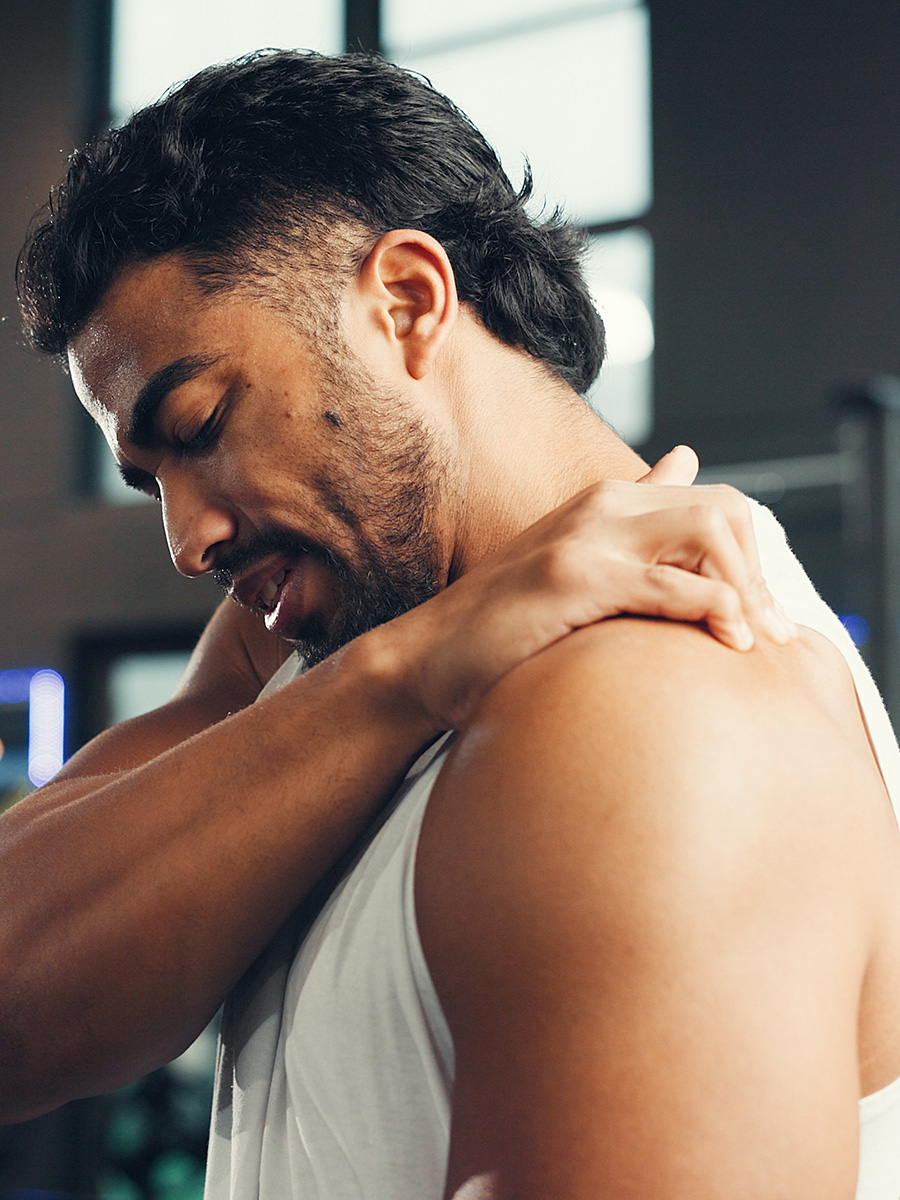

Causes and Risk Factors
- Repetitive overhead throwing or serving
- Imbalanced shoulder and scapular muscles
- Poor throwing mechanics or overtraining
- Posterior shoulder capsule tightness
- Laxity or instability of the shoulder joint
- Internal impingement (where the rotator cuff pinches between the glenoid and humeral head during cocking phase of a throw)
Symptoms
- Deep, aching pain in the back or top of the shoulder
- Loss of throwing velocity or control
- Feeling of shoulder looseness or instability during activity
- Shoulder stiffness or tightness after performance
- Pain with late-cocking or follow-through phases in throwing
- Fatigue or decreased endurance in the shoulder
Diagnosis
- Thorough physical examination with stress tests for instability
- Assessment of scapular control, internal/external rotation range, and strength
- MRI or MR arthrogram may reveal:
- Labral tears (e.g., SLAP lesions)
- Rotator cuff tendinosis or partial tears
- Posterior capsule tightness
- Dynamic imaging or video analysis of throwing motion may help in some cases
Treatment
Non-Surgical Treatment
- Rest and modification of activity (temporary break from throwing)
- NSAIDs to reduce inflammation
- Physical therapy to:
- Restore range of motion (especially internal rotation)
- Strengthen rotator cuff and scapular stabilizers
- Correct throwing mechanics
- Gradual return-to-throwing program under medical supervision
Surgical Treatment
- Considered if symptoms persist after3–6 monthsof rehab or if imaging shows structural damage
- Possible procedures include:
- Labral repair(e.g., for SLAP tear)
- Debridement of frayed tissue
- Posterior capsular release(for tightness)
- Surgery typically performed arthroscopically
Recovery Outlook
- Most overhead athletes respond well to non-operative management with structured rehab
- Post-surgical rehab includes:
- Sling use for 1–2 weeks (if repair was done)
- Progressive physical therapy over 4–6 months
- Return to competitive throwing often begins at 6–9 months, depending on level of play and recovery
Why Kerlan Jobe Institute?
The sports medicine specialists at Kerlan Jobe Institute have decades of experience treating elite and amateur overhead athletes. With our team-based, evidence-driven approach, we focus on long-term recovery and sustainable performance gains to help athletes return to peak form.
Getting You Back in Motion
Surgery is just the beginning. How do you heal, move, and feel when all is said and done?
From NHL and NBA players to weekend warriors, our goal is the same: getting you back to doing what you love.

Patient Testimonials
highly skilled surgeon
“Dr. Kvitne operated on my shoulder 3 years ago and I had a perfect recovery and no problems since and I do not see a scar. He is kind with a great bedside manor and a highly skilled surgeon.”
Dr. Kharrazi truly got me back on my feet—literally.
One year ago, I tore several ligaments in my knee, and now I’m able to do the things I enjoy again.
His expertise, knowledge, and confidence are what made me choose him as my surgeon, and I will always be grateful to him and his entire team. Rudy, his assistant; Norma, who was always so prompt with all of my emails; and Blanca, who helped with forms—each of them made a difference. I can’t thank them enough for being there with me every step of the way.
I can’t say enough good things about Dr. Kvitne
“My experience with Dr Kvitne was amazing he is a outstanding Doctor what a talented man he is my knee was in such bad shape he did not have much to work with but he got in there and fixed me up there was so much that had to be repaired Dr Kvitne with his knowledge and experience repaired my knee so nicely done I have had knee surgery before but never like this I can’t say enough good things about Dr Kvitne awesome human being as well as a awesome excellent Doctor!!”
Dr. Kharrazi gave me my mobility back
After 2 knee surgeries with other Orthopedics I must say that Dr. Kharrazi is a miracle worker. I have my mobility back and my pain level is so greatly improved. Thanks Dr. K!
Schedule a Consultation
Kerlan-Jobe provides comprehensive orthopaedic care for patients seeking expert treatment for sports injuries, joint pain, and mobility limitations. We offers specialized experience and a patient-first approach designed to support lasting results.
Contact the office to schedule a consultation and learn more about your treatment options.