
Meniscus Repair vs. Meniscectomy
Preserving the Meniscus: Why It Matters
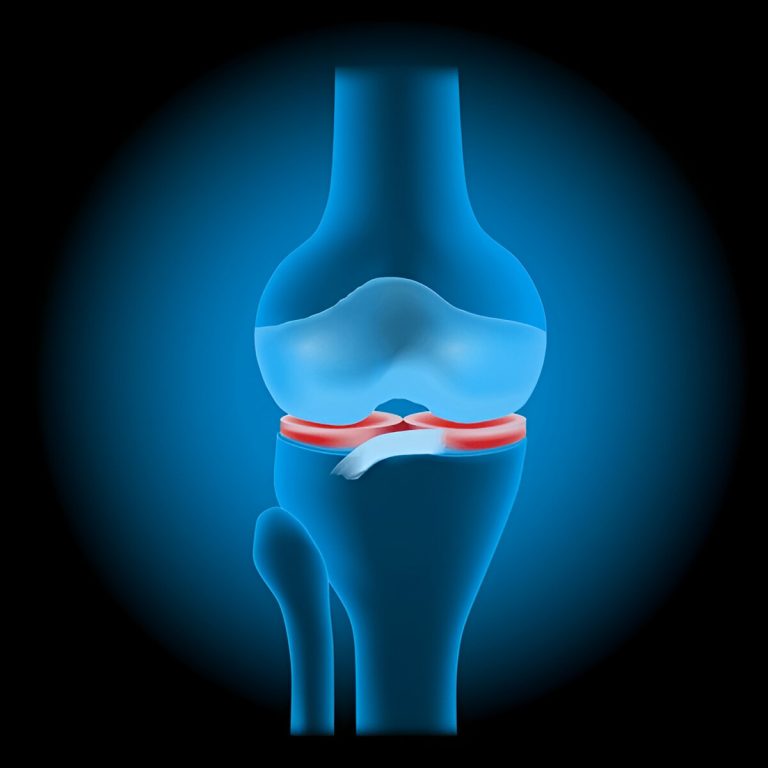
The meniscus plays a vital role in joint stability, shock absorption, and cartilage protection. When torn, the goal is always to preserve and repair the meniscus whenever possible. However, in some cases, part of the meniscus may need to be removed to relieve symptoms and restore knee function.
At Kerlan Jobe Institute, our specialists carefully evaluate each meniscus tear to determine whether repair or partial meniscectomy is the best path forward, balancing immediate symptom relief with the long-term health of the knee.
What Is a Meniscus Repair?
Meniscus repair involves suturing the torn tissue so it can heal naturally. This procedure is typically performed arthroscopically and is most successful when the tear is:
Located in the outer (vascular) zone of the meniscus
A vertical or longitudinal tear pattern (especially bucket-handle tears)
Recent or associated with ligament reconstruction (e.g., ACL surgery)
Found in younger patients with good healing potential
Advantages of Meniscus Repair:
Preserves natural meniscus function
Reduces the risk of developing osteoarthritis
Allows for a more natural joint load distribution
Considerations:
Longer recovery time (typically 3–6 months)
Weight-bearing may be limited during early healing
Some tears may re-tear if not fully healed
What Is a Partial Meniscectomy?
When a tear cannot be repaired, a partial meniscectomy is performed. This involves removing the damaged or unstable portion of the meniscus and smoothing the remaining edges.
This option is often chosen for:
Tears in the inner (white-white) zone with poor blood supply
Flap, radial, or complex tears not amenable to repair
Degenerative tears in older adults
Tears that are causing mechanical symptoms like locking or catching
Advantages of Meniscectomy:
Quick symptom relief
Faster return to activity (typically 4–6 weeks)
Minimally invasive and low-risk
Considerations:
Removing meniscal tissue can reduce shock absorption
Increases long-term risk of joint degeneration and arthritis
Less ideal for younger, active patients
Meniscus Repair vs. Meniscectomy: Key Differences
| Factor | Meniscus Repair | Partial Meniscectomy |
|---|---|---|
| Goal | Preserve and heal tissue | Remove damaged tissue |
| Healing Time | 3–6+ months | 4–6 weeks |
| Weight-Bearing Restrictions | Yes (initially limited) | Minimal |
| Long-Term Outcome | Better for joint health | Higher arthritis risk |
| Ideal Candidate | Younger, active | Degenerative or complex tears |
How We Decide at Kerlan Jobe Institute
Our orthopedic knee specialists consider several factors when choosing between repair and removal:
Tear type and location
Patient age and activity level
Knee alignment and cartilage health
History of previous surgeries
Concurrent ligament injuries (e.g., ACL)
Whenever possible, we favor repair over removal, especially in younger or athletic patients. When meniscectomy is necessary, we remove the smallest amount of tissue possible to preserve knee function.
Recovery and Rehabilitation
After Meniscus Repair:
Crutches and bracing for 4–6 weeks
Physical therapy begins early with motion and strengthening
Return to full activity typically in 4–6 months
After Meniscectomy:
Immediate weight-bearing as tolerated
Faster progression through physical therapy
Return to sports or normal activity in 4–8 weeks
Our Commitment to Meniscus Preservation
At Kerlan Jobe Institute, we use advanced arthroscopic techniques and biologic augmentation (like PRP) to enhance meniscus healing. Our priority is to preserve natural knee structures whenever possible and help each patient achieve long-term joint health, not just short-term relief.