Loose Bodies in the Elbow
What Are Loose Bodies in the Elbow?
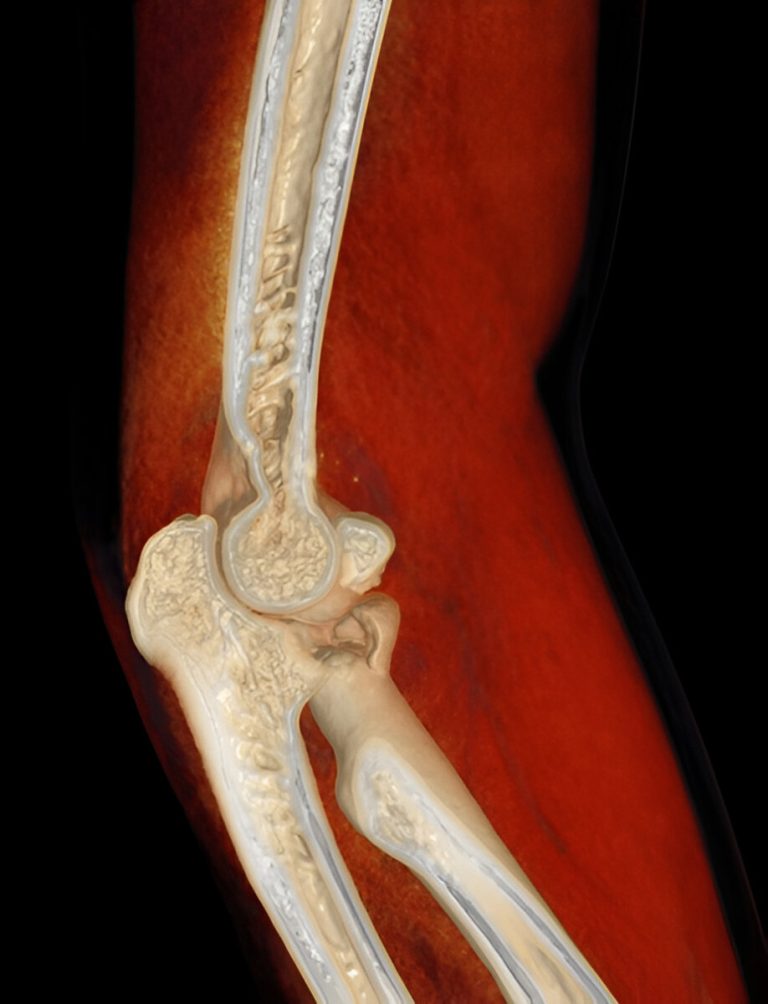
Loose bodies are small fragments of bone or cartilage that have broken off and are floating freely within the elbow joint. These fragments can vary in size and shape, and may move around the joint space, occasionally becoming lodged between the bones during movement. This can lead to painful mechanical symptoms such as catching, clicking, or even temporary joint locking.
Loose bodies are often associated with joint degeneration, previous trauma, or conditions such as osteochondritis dissecans, arthritis, or osteochondral injuries.
Causes and Risk Factors
Osteoarthritis or post-traumatic arthritis
Repetitive overhead or weight-bearing activity (e.g., pitching, weightlifting)
Elbow fractures or dislocations
Elbow instability or ligamentous laxity
Prior elbow surgery
Osteochondritis dissecans (cartilage and bone damage in younger athletes)
Symptoms
Catching or locking during elbow movement
Audible clicking or popping
Pain during rotation or flexion/extension
A grinding sensation inside the joint
Decreased range of motion
Intermittent swelling or stiffness
Diagnosis
Detailed physical exam to assess joint mechanics
X-rays may identify calcified loose bodies
MRI or CT scan often required to visualize non-calcified cartilage fragments and assess joint damage
Evaluation for underlying structural issues such as arthritis or instability
Treatment
Non-Surgical Treatment
May be attempted in mild or intermittent cases:
Rest and activity modification
Nonsteroidal anti-inflammatory medications
Periodic corticosteroid injections
Physical therapy to maintain range of motion
However, loose bodies often persist and may worsen over time
Surgical Treatment
Often recommended to resolve persistent symptoms or prevent long-term joint damage
Arthroscopic removal is the most common and effective approach
Minimally invasive technique using small incisions
Allows removal of loose fragments and debridement of damaged cartilage
May also address underlying conditions (e.g., osteophytes or synovitis)
In more complex or arthritic elbows, open surgery may be necessary
Recovery Outlook
Recovery is typically rapid following arthroscopic removal
Most patients resume light activity within 2 to 4 weeks
Full return to sports or heavy lifting may take 6 to 8 weeks
Early intervention minimizes the risk of joint degeneration or permanent stiffness
Why Kerlan Jobe Institute?
At Kerlan Jobe Institute, our elbow specialists use advanced imaging and surgical techniques to precisely diagnose and remove loose bodies, helping restore full, pain-free function with minimal downtime.