Lumbar Radiculopathy (Sciatica)
What Is Lumbar Radiculopathy (Sciatica)?
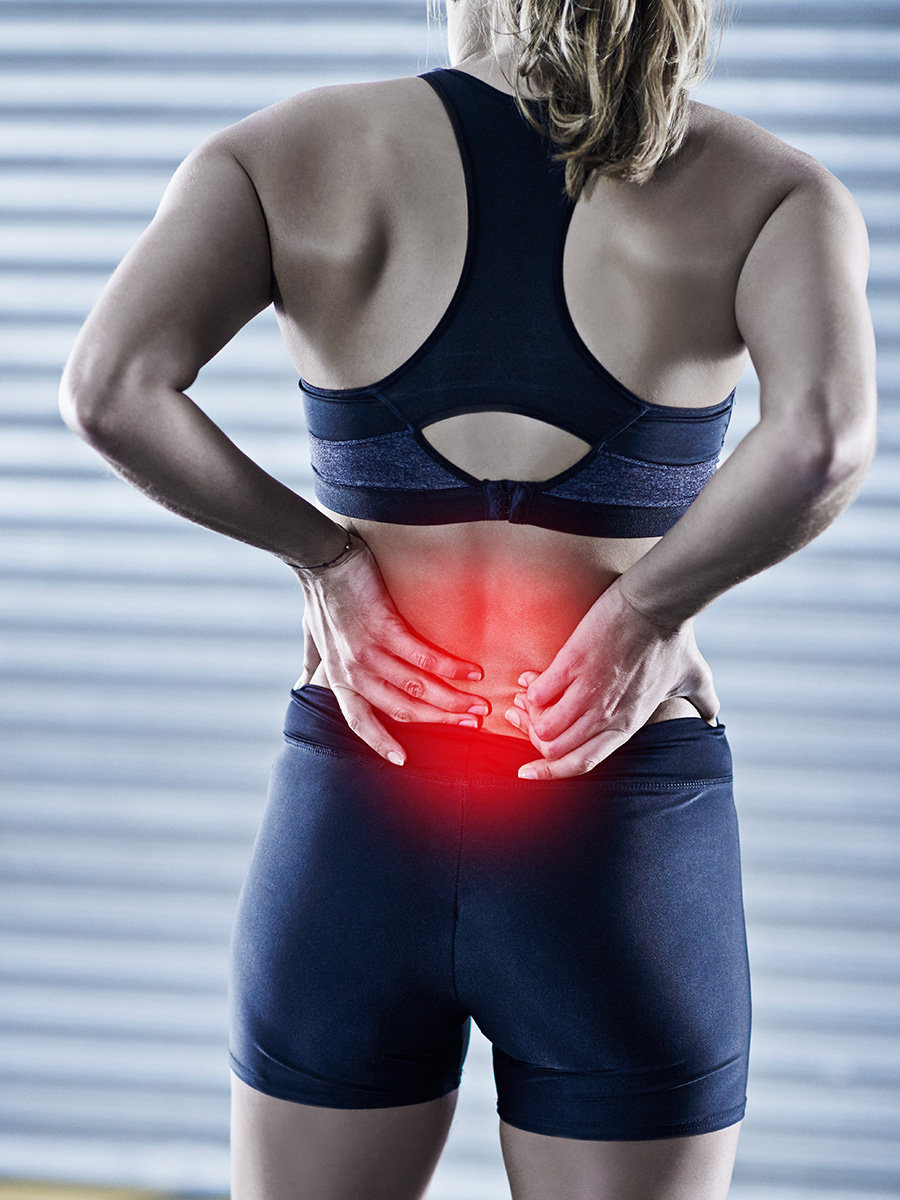
Leg Pain Caused by Nerve Compression in the Lower Back. Lumbar radiculopathy, commonly referred to as sciatica, is a condition where a spinal nerve in the lower back becomes irritated or compressed, typically due to a herniated disc or bone spur. This results in pain that radiates along the path of the sciatic nerve — from the lower back, through the buttock, and down the leg.
While sciatica is a symptom rather than a disease itself, it usually indicates an underlying structural issue in the lumbar spine.
Book A Consultation
Causes and Risk Factors
- Herniated disc pressing on a nerve root
- Lumbar spinal stenosis (narrowing of the spinal canal)
- Bone spurs (osteophytes) from degenerative disc disease
- Spondylolisthesis (vertebra slipping out of place)
- Trauma to the spine
- Tumors (rare)
- Risk increases with age, poor posture, obesity, sedentary lifestyle, and heavy labor
Symptoms
- Sharp or burning pain radiating from the lower back into one leg
- Pain worsens with sitting, coughing, sneezing, or prolonged standing
- Numbness or tingling in the leg, foot, or toes
- Muscle weakness in the affected leg
- Difficulty walking or climbing stairs
- Typically affects only one side of the body
Diagnosis
- Clinical examination: Evaluation of reflexes, muscle strength, and sensory function
- Straight leg raise test: Helps provoke sciatica symptoms
- MRI: Primary imaging method to assess disc and nerve involvement
- CT scan or myelogram (for those who cannot undergo MRI)
- Electromyography (EMG): Used in complex or unclear cases to evaluate nerve function
Treatment
Non-Surgical Treatment
- Rest and activity modification during flare-ups
- Anti-inflammatory medications (NSAIDs) or oral corticosteroids
- Physical therapy: Stretching, core strengthening, and body mechanics training
- Epidural steroid injections: Reduce inflammation around the nerve
- Most patients recover within several weeks to a few months
Surgical Treatment
- Considered if symptoms persist beyond 6–12 weeks or there is progressive weakness
- Microdiscectomy: Removes herniated disc fragment compressing the nerve
- Laminectomy (if caused by spinal stenosis): Decompresses the affected nerve root
- Surgery is highly effective for relieving leg pain and restoring nerve function
Recovery Timeline
- Non-surgical recovery: Typically improves within 6–12 weeks
- Surgical recovery:
- Return to desk work: ~2–4 weeks post-op
- Physical therapy begins around 4–6 weeks
- Return to full activities or sports: ~8–12 weeks based on progress
Expert Treatment at Kerlan Jobe Institute
The spine specialists at Kerlan Jobe Institute understand the debilitating effects of lumbar radiculopathy. We provide comprehensive, personalized care to accurately diagnose the cause and relieve your pain — whether through conservative measures or advanced surgical intervention — so you can return to your daily activities with confidence.
Getting You Back in Motion
Surgery is just the beginning. How do you heal, move, and feel when all is said and done?
From NHL and NBA players to weekend warriors, our goal is the same: getting you back to doing what you love.

Patient Testimonials
highly skilled surgeon
“Dr. Kvitne operated on my shoulder 3 years ago and I had a perfect recovery and no problems since and I do not see a scar. He is kind with a great bedside manor and a highly skilled surgeon.”
Dr. Kharrazi truly got me back on my feet—literally.
One year ago, I tore several ligaments in my knee, and now I’m able to do the things I enjoy again.
His expertise, knowledge, and confidence are what made me choose him as my surgeon, and I will always be grateful to him and his entire team. Rudy, his assistant; Norma, who was always so prompt with all of my emails; and Blanca, who helped with forms—each of them made a difference. I can’t thank them enough for being there with me every step of the way.
I can’t say enough good things about Dr. Kvitne
“My experience with Dr Kvitne was amazing he is a outstanding Doctor what a talented man he is my knee was in such bad shape he did not have much to work with but he got in there and fixed me up there was so much that had to be repaired Dr Kvitne with his knowledge and experience repaired my knee so nicely done I have had knee surgery before but never like this I can’t say enough good things about Dr Kvitne awesome human being as well as a awesome excellent Doctor!!”
Dr. Kharrazi gave me my mobility back
After 2 knee surgeries with other Orthopedics I must say that Dr. Kharrazi is a miracle worker. I have my mobility back and my pain level is so greatly improved. Thanks Dr. K!
Schedule a Consultation
Kerlan-Jobe provides comprehensive orthopaedic care for patients seeking expert treatment for sports injuries, joint pain, and mobility limitations. We offers specialized experience and a patient-first approach designed to support lasting results.
Contact the office to schedule a consultation and learn more about your treatment options.