Radial Head Fracture
What Is a Radial Head Fracture?
A radial head fracture involves a break in the radial head, which is the rounded top part of the radius bone that meets the humerus at the outer side of the elbow joint. It plays a critical role in forearm rotation (turning the palm up or down) and elbow stability.
These fractures are common, especially among adults, and often occur as a result of a fall on an outstretched hand (FOOSH). Depending on the extent of the fracture, it may range from a small crack to a multi-fragmented injury involving joint surfaces.
Book A Consultation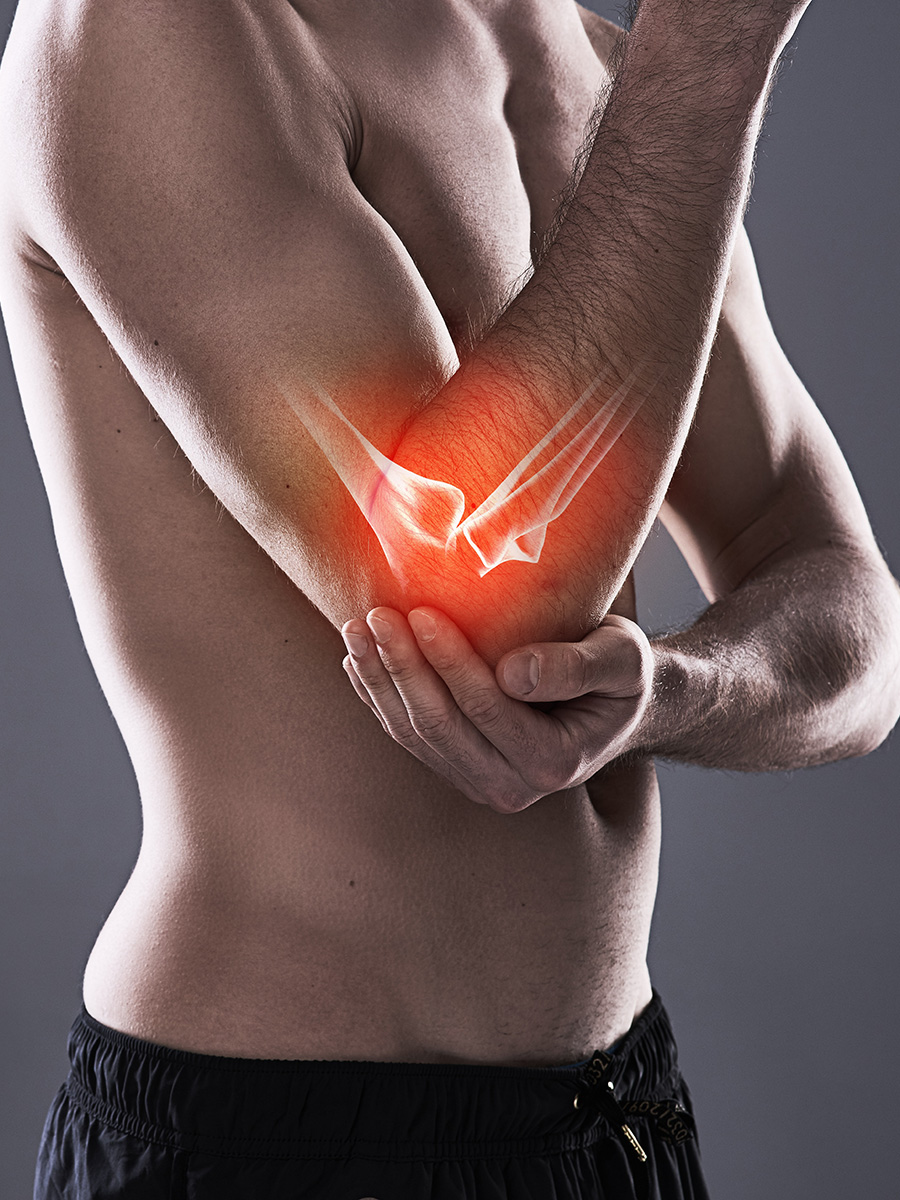
Causes and Risk Factors
- Falling onto an outstretched hand with the elbow partially flexed
- Sports injuries, particularly in activities with falls or impact (e.g., skateboarding, snowboarding)
- Motor vehicle accidents
- Direct trauma to the lateral aspect of the elbow
- Osteoporosis increasing bone fragility
Symptoms
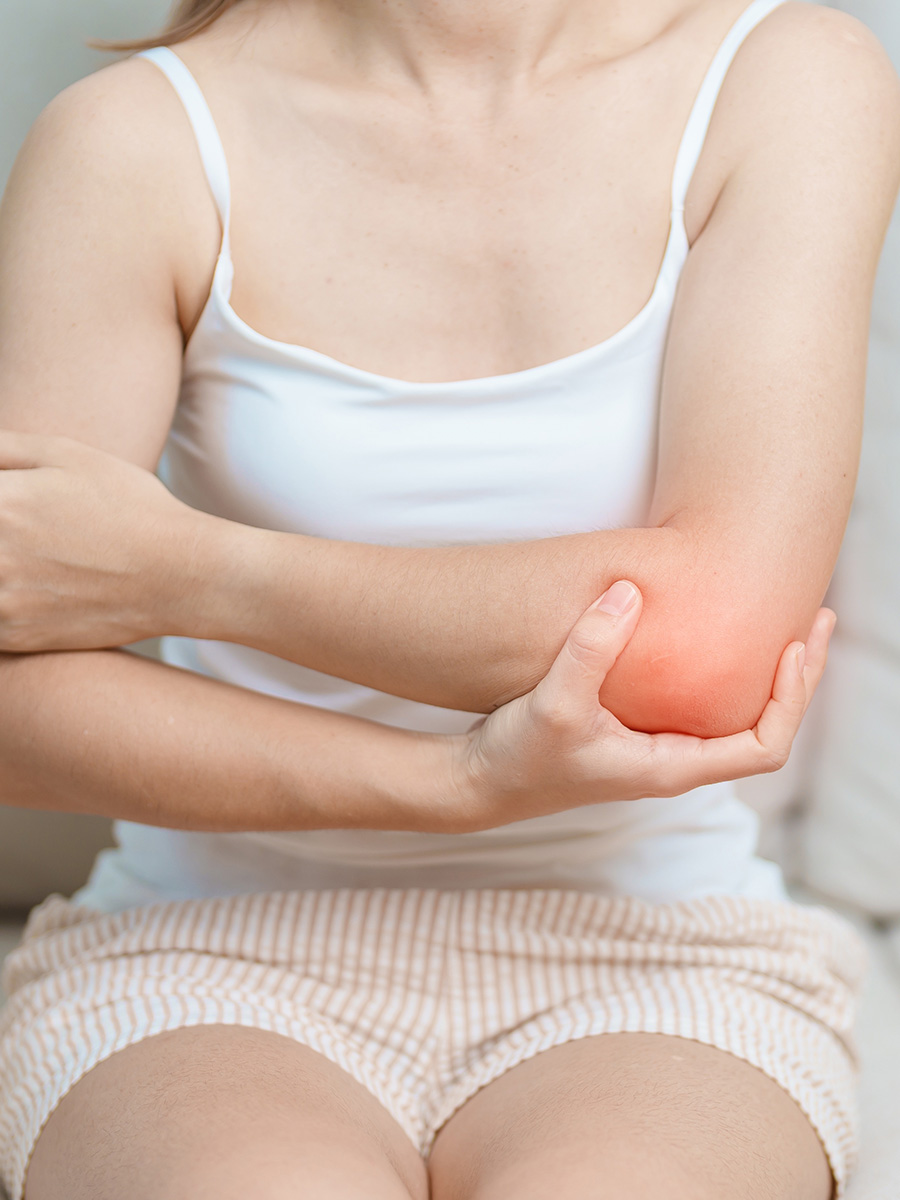
- Lateral elbow pain (outer side of the elbow)
- Swelling and tenderness near the radial head
- Difficulty or pain with forearm rotation
- Limited elbow extension and flexion
- A clicking sensation or locking, particularly in complex fractures
- Inability to bear weight on the affected arm
Diagnosis
- Physical exam, checking for tenderness, range of motion, and mechanical block
- X-rays are the primary imaging modality
- CT scan may be needed for detailed assessment in comminuted or intra-articular fractures
- Evaluation for associated injuries such as:
- Elbow dislocation
- Coronoid process fracture (as part of the “terrible triad”)
- Ligamentous injury (LCL, MCL)
Treatment
Non-Surgical Treatment
- Suitable for Type I (non-displaced or minimally displaced) fractures
- Treatment plan includes:
- Short-term immobilization in a sling
- Early motion exercises to prevent stiffness
- Pain control with NSAIDs
- Return to full activity in a few weeks for uncomplicated cases
Surgical Treatment
- Recommended for Type II or III fractures that are displaced, fragmented, or cause mechanical blockage
- Surgical options:
- Open reduction and internal fixation (ORIF) with screws or plates
- Radial head excision in select cases (not typically in younger, active patients)
- Radial head arthroplasty (prosthetic replacement) for complex, non-repairable fractures
- Goal is to restore elbow stability and motion while minimizing complications
Recovery Outlook
Most fractures heal within 6 to 10 weeks, depending on severity and treatment
Physical therapy is key to restoring motion, especially supination and pronation
Patients typically return to normal function within 3 to 4 months, though minor stiffness or discomfort may persist
Early motion is essential to avoid long-term elbow stiffness
Why Kerlan Jobe Institute?
At Kerlan Jobe Institute, we offer advanced imaging and individualized treatment plans for radial head fractures, helping patients recover full elbow function with precision-guided orthopedic care.
Getting You Back in Motion
Surgery is just the beginning. How do you heal, move, and feel when all is said and done?
From NHL and NBA players to weekend warriors, our goal is the same: getting you back to doing what you love.

Patient Testimonials
highly skilled surgeon
“Dr. Kvitne operated on my shoulder 3 years ago and I had a perfect recovery and no problems since and I do not see a scar. He is kind with a great bedside manor and a highly skilled surgeon.”
Dr. Kharrazi truly got me back on my feet—literally.
One year ago, I tore several ligaments in my knee, and now I’m able to do the things I enjoy again.
His expertise, knowledge, and confidence are what made me choose him as my surgeon, and I will always be grateful to him and his entire team. Rudy, his assistant; Norma, who was always so prompt with all of my emails; and Blanca, who helped with forms—each of them made a difference. I can’t thank them enough for being there with me every step of the way.
I can’t say enough good things about Dr. Kvitne
“My experience with Dr Kvitne was amazing he is a outstanding Doctor what a talented man he is my knee was in such bad shape he did not have much to work with but he got in there and fixed me up there was so much that had to be repaired Dr Kvitne with his knowledge and experience repaired my knee so nicely done I have had knee surgery before but never like this I can’t say enough good things about Dr Kvitne awesome human being as well as a awesome excellent Doctor!!”
Dr. Kharrazi gave me my mobility back
After 2 knee surgeries with other Orthopedics I must say that Dr. Kharrazi is a miracle worker. I have my mobility back and my pain level is so greatly improved. Thanks Dr. K!
Schedule a Consultation
Kerlan-Jobe provides comprehensive orthopaedic care for patients seeking expert treatment for sports injuries, joint pain, and mobility limitations. We offers specialized experience and a patient-first approach designed to support lasting results.
Contact the office to schedule a consultation and learn more about your treatment options.