
Chondromalacia Patella
What Is Chondromalacia Patella?
Chondromalacia Patella refers to the softening and breakdown of the articular cartilage on the undersurface of the kneecap (patella). This cartilage normally allows the kneecap to glide smoothly over the femur. When it softens or deteriorates, it can cause pain, inflammation, and grinding sensations during knee movement.
While it’s sometimes used interchangeably with Patellofemoral Pain Syndrome (PFPS), chondromalacia specifically refers to structural cartilage damage, whereas PFPS may not.
Book A Consultation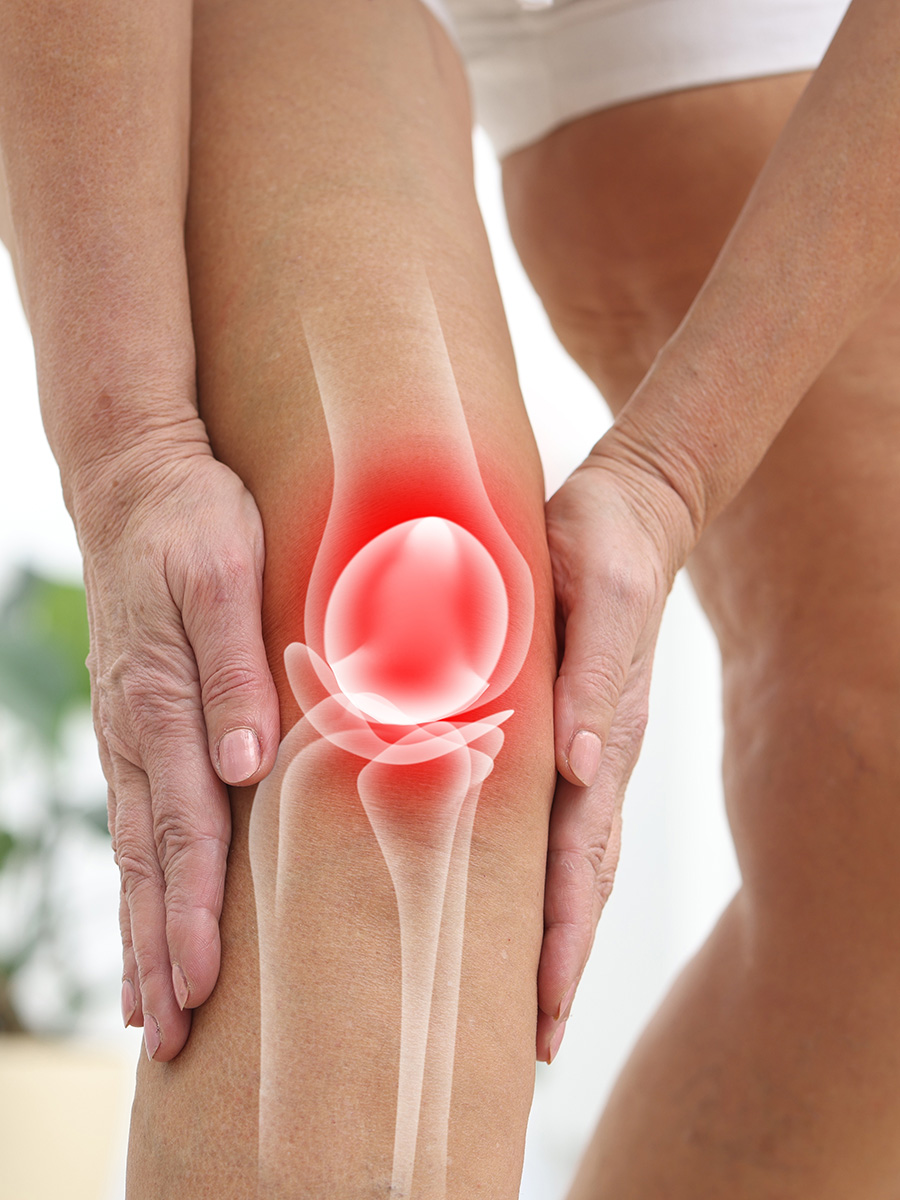

Who Is at Risk?
Chondromalacia Patella is especially common among:
- Adolescents and young adults
- Runners, cyclists, and athletes in high-impact or repetitive sports
- People with previous patellar dislocation or instability
- Individuals with muscle imbalances, malalignment, or flat feet
Symptoms
- Pain at the front of the knee, especially behind the kneecap
- Worsening pain with stairs, squatting, kneeling, or prolonged sitting
- Grinding or cracking sensations (crepitus) when bending the knee
- Occasional swelling after activity
- Stiffness or difficulty fully straightening the leg
Causes and Contributing Factors
Chondromalacia can be triggered or worsened by:
- Poor patellar tracking due to muscle imbalance or alignment issues
- Overuse from repetitive motion (e.g., running, jumping)
- Kneecap trauma, such as falls or direct impact
- Weak hip or thigh muscles
- Tight hamstrings or IT band
Diagnosis
Diagnosis begins with a physical exam focused on:
- Patellar mobility
- Quadriceps strength
- Signs of malalignment or tracking issues
Imaging such as X-rays or MRI may be used to:
- Assess cartilage quality
- Identify patellar positioning issues
- Rule out other causes of knee pain
Treatment Options
Most patients respond well to conservative care:
Non-Surgical Treatment
-
Physical therapy to:
- Strengthen the quadriceps and hip stabilizers
- Improve patellar tracking
- Increase flexibility in the hamstrings and IT band
- Ice and NSAIDs to reduce inflammation
- Activity modification: Avoid deep squatting, stairs, or prolonged sitting
- Orthotics or taping for alignment correction
- Patellar bracing to improve tracking
Surgical Options (For severe or non-responsive cases)
- Arthroscopy to remove damaged cartilage or smooth surfaces
- Lateral release if tight lateral structures are pulling the patella out of alignment
- Cartilage restoration procedures (in select cases)
Recovery and Prognosis
Most patients improve in 6–12 weeks with proper rehabilitation
Long-term results are best with consistent strengthening and alignment correction
Return to sports is possible but may require modification in training habits
Kerlan Jobe Institute’s Approach
At Kerlan Jobe Institute, we recognize the importance of individualized care. Our specialists conduct a thorough biomechanical assessment to target the root cause — not just the symptoms — of patellofemoral cartilage pain.
Getting You Back in Motion
Surgery is just the beginning. How do you heal, move, and feel when all is said and done?
From NHL and NBA players to weekend warriors, our goal is the same: getting you back to doing what you love.
Patient Testimonials
highly skilled surgeon
“Dr. Kvitne operated on my shoulder 3 years ago and I had a perfect recovery and no problems since and I do not see a scar. He is kind with a great bedside manor and a highly skilled surgeon.”
Dr. Kharrazi truly got me back on my feet—literally.
One year ago, I tore several ligaments in my knee, and now I’m able to do the things I enjoy again.
His expertise, knowledge, and confidence are what made me choose him as my surgeon, and I will always be grateful to him and his entire team. Rudy, his assistant; Norma, who was always so prompt with all of my emails; and Blanca, who helped with forms—each of them made a difference. I can’t thank them enough for being there with me every step of the way.
I can’t say enough good things about Dr. Kvitne
“My experience with Dr Kvitne was amazing he is a outstanding Doctor what a talented man he is my knee was in such bad shape he did not have much to work with but he got in there and fixed me up there was so much that had to be repaired Dr Kvitne with his knowledge and experience repaired my knee so nicely done I have had knee surgery before but never like this I can’t say enough good things about Dr Kvitne awesome human being as well as a awesome excellent Doctor!!”
Dr. Kharrazi gave me my mobility back
After 2 knee surgeries with other Orthopedics I must say that Dr. Kharrazi is a miracle worker. I have my mobility back and my pain level is so greatly improved. Thanks Dr. K!
Schedule a Consultation
Kerlan-Jobe provides comprehensive orthopaedic care for patients seeking expert treatment for sports injuries, joint pain, and mobility limitations. We offers specialized experience and a patient-first approach designed to support lasting results.
Contact the office to schedule a consultation and learn more about your treatment options.