
Patellar Tendonitis (Jumper’s Knee)
Overuse Injury of the Knee’s Extensor Tendon
What Is Patellar Tendonitis?
Patellar tendonitis, often called “Jumper’s Knee,” is an overuse injury that affects the tendon connecting the kneecap (patella) to the shinbone (tibia). The patellar tendon plays a key role in leg extension, allowing you to kick, jump, and run. Repeated stress can lead to small tears in the tendon, resulting in pain, inflammation, and weakness.
This condition is especially common in athletes involved in jumping sports, such as basketball, volleyball, and track & field.
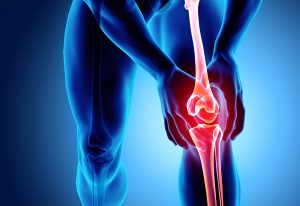
Causes and Risk Factors
Patellar tendonitis develops over time due to repetitive stress and microtrauma. Contributing factors include:
Sudden increase in training intensity or frequency
Tight quadriceps or hamstrings, which pull excessively on the tendon
Muscle imbalances between the quadriceps and hamstrings
Improper landing technique during jumping
Hard playing surfaces
Inadequate warm-up or poor flexibility
Symptoms
Pain and tenderness at the base of the kneecap, especially during activity
Stiffness in the knee when getting up from sitting
Pain that worsens with jumping, squatting, or climbing stairs
Swelling or a thickened tendon in chronic cases
Weakness or difficulty with explosive leg movements
Diagnosis
Diagnosis is based on:
Physical exam: Tenderness over the patellar tendon and pain with resisted knee extension
Ultrasound or MRI: May be used to confirm tendon thickening, inflammation, or small tears
Treatment
Non-Surgical Options
Rest and activity modification: Avoid jumping and running until symptoms improve
Physical therapy:
Emphasizes eccentric strengthening of the quadriceps
Focus on flexibility of hamstrings and calves
Ice and anti-inflammatory medications for pain management
Patellar tendon strap or taping to reduce strain on the tendon
Biomechanical evaluation: Correcting alignment or footwear issues
Surgical Options (for chronic, non-responsive cases)
Arthroscopic debridement: Removal of degenerated tendon tissue
Open tendon repair: Rarely required and reserved for severe chronic cases
Recovery Timeline
Mild cases: Improve within 6–8 weeks with rest and therapy
Moderate to chronic cases: May take 3–6 months or longer
Athletes should complete a full rehab program before returning to sport
Preventing Recurrence
Warm up thoroughly before activity
Incorporate regular flexibility and strengthening exercises
Gradually increase training volume
Focus on proper landing mechanics
Use shock-absorbing footwear
Expert Care at Kerlan Jobe Institute
At Kerlan Jobe Institute, we take a sports medicine-centered approach to managing patellar tendonitis. Our orthopedic and rehabilitation specialists work together to help patients not only heal, but return to high-level function safely and confidently.