Golfer’s Elbow (Medial Epicondylitis)
What Is Golfer’s Elbow?
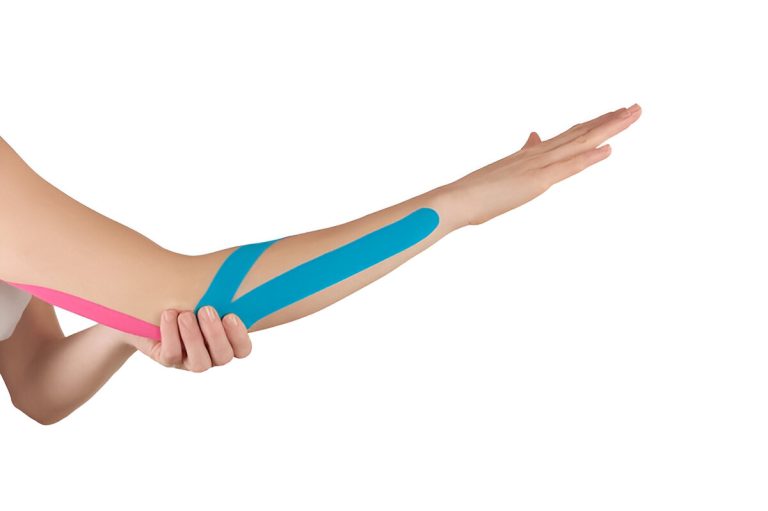
Golfer’s Elbow, or medial epicondylitis, is an overuse injury involving the flexor tendons that attach to the medial epicondyle — the bony bump on the inside of the elbow. It’s caused by repetitive stress or strain on the tendons that help you grip, twist, and flex the wrist and fingers.
This condition doesn’t just affect golfers — it’s also common in individuals who perform repeated gripping, lifting, or wrist flexion tasks at work or during recreational activities.
Causes and Risk Factors
Repetitive wrist flexion, gripping, or forearm rotation
Sports involving throwing, swinging, or climbing
Jobs requiring manual labor (e.g., carpentry, plumbing, assembly line work)
Poor ergonomics or technique during repetitive tasks
More frequent in adults aged 35–50 years
Common Symptoms
Pain or tenderness on the inner side of the elbow
Pain that radiates down the forearm
Weakened grip strength
Stiffness or discomfort when flexing the wrist or turning the palm downward
Worsening symptoms with lifting, throwing, or twisting motions
Diagnosis
Diagnosis is usually based on history and physical examination:
Tenderness over the medial epicondyle
Pain reproduced with resisted wrist flexion or pronation
Imaging (MRI or ultrasound) may be used to evaluate chronic or severe tendon damage
Treatment Options
Non-Surgical Management
Most patients recover without surgery:
Activity modification to avoid aggravating movements
Anti-inflammatory medications (NSAIDs)
Ice therapy to reduce inflammation
Forearm braces or counterforce straps
Physical therapy to improve:
Flexor tendon strength
Range of motion
Biomechanics
Corticosteroid injections for pain relief
Platelet-rich plasma (PRP) therapy for chronic cases
Surgical Treatment
Surgery is considered when:
Symptoms persist after 6–12 months of conservative treatment
Daily activities or athletic performance are significantly impaired
Surgical procedures typically involve:Removal of degenerative tendon tissue
Reattachment of healthy tendon to the medial epicondyle
Can be done via open or minimally invasive techniques
Recovery Outlook
Non-surgical care: Most recover within 8–12 weeks
Post-surgical recovery: 3–6 months depending on activity demands
Physical therapy is critical for regaining strength and preventing recurrence
Comprehensive Care at Kerlan Jobe Institute
At Kerlan Jobe Institute, we provide advanced diagnostic tools and a full range of non-surgical and surgical treatments for Golfer’s Elbow. Our orthopedic and sports medicine specialists tailor your treatment plan to get you back to your sport, job, or hobby as safely and efficiently as possible.